
Aussie kids often find it hard to follow talk in loud rooms. Even with good hearing, their nervous system might struggle to handle information. It is a gap in how the brain makes sense of sounds from the ears. Many families refer to this as apd.
Securing an accurate auditory processing disorder diagnosis requires more than just watching a child. Qualified audiologists need to run special tests to check how a student hears. This guide helps parents find the right help for their little ones.
Finding out early can really change a child’s school life. When we know the facts about this condition, we can give better support right away. Early apd assistance helps your child do well in the classroom and beyond.
Spotting the signs early lets you start a clear path that leads to great results. This guide covers symptoms and ways to help kids feel more sure of themselves. Our professional approach provides the clarity you need to help your child thrive.
Key Takeaways for Aussie Families
- This condition is a neurological issue, not simple hearing loss or deafness.
- The brain struggles to filter out background noise in busy or loud spots.
- Specialised testing by an audiologist is the only way to confirm the condition.
- Early intervention leads to much better results in school and social settings.
- It is common for children to have completely normal hearing test results.
- Consistent support helps kids build social and learning confidence over time.
Understanding Auditory Processing Disorder
Auditory processing disorder represents a unique challenge where the ears detect noise perfectly, but the mind fails to decode the message. This condition stems from how the central nervous system manages incoming auditory information. When a child has this disorder, their brain struggles to make sense of the signals it receives.
The central auditory system acts as a complex gateway for audio signals. If this system does not function correctly, the child might feel overwhelmed by everyday noise. They often find it difficult to identify specific sounds or determine exactly where a noise originates.
Parents often notice that their child struggles to understand the timing of certain auditory events. This makes it difficult for them to follow fast-paced conversations or group activities. Navigating the world of hearing health often leads families to discover the intricate nature of central auditory processing.
This issue is not about the physical ability to hear quiet tones. Instead, it involves the efficiency of auditory processing in the mind. Identifying these difficulties early helps parents provide the right support for their child’s long-term development.
Effective management begins with a clear processing understanding of these internal hurdles. Children may struggle with communication, even in quiet settings, if their neural pathways are not synced. This disorder requires a specialised approach to ensure the child can navigate their school and home environments effectively.
What Is APD and How Does It Affect the Brain?
The brain plays the most critical role in how we understand speech and environmental sounds. In children with auditory processing disorder, the neural pathways carrying information from the ear are inefficient. This lack of coordination makes it hard for the central auditory processing mechanisms to interpret timing.
Consequently, the mind may miss subtle differences between similar-sounding words. This struggle impacts daily communication and learning significantly. A child might hear the noise, but they cannot organise it into meaningful language.
When neural signals arrive out of sync, the mind must work twice as hard to decode speech. This often leads to auditory fatigue, where the child becomes tired after listening for long periods. Proper support focuses on strengthening these vital neural connections to improve daily function.
The Difference Between APD and Hearing Loss
It is vital to distinguish between auditory processing and physical hearing loss. Hearing loss usually involves damage to the ear’s physical structures or a lack of sensitivity to volume. In contrast, a disorder of this nature involves the brain’s inability to interpret what the ears hear.
| Feature | Auditory Processing Disorder | Hearing Loss |
|---|---|---|
| Primary Issue | Brain interpretation | Ear sensitivity |
| Sound Detection | Normal auditory processing | Reduced sensitivity |
| Main Concern | Signal processing | Volume hearing |
Both conditions share symptoms like asking for repetition or struggling in noisy rooms. However, a standard hearing test only measures the ear’s ability to detect volume. Only a specialised assessment evaluates auditory processing skills to identify the root cause of the communication difficulty.
A child with reduced sensitivity might need a hearing aid to amplify volume. Conversely, a child with auditory processing disorder may require strategies to help their brain filter out background noise. Understanding this distinction is the first step toward finding the correct intervention for your child.
Recognising the Signs and Symptoms of APD
Spotting the indicators of this auditory challenge often begins with observing a child’s behaviour in noisy settings. Because every child is unique, the symptoms apd manifests can vary widely between individuals and environments.
Common Symptoms in Children
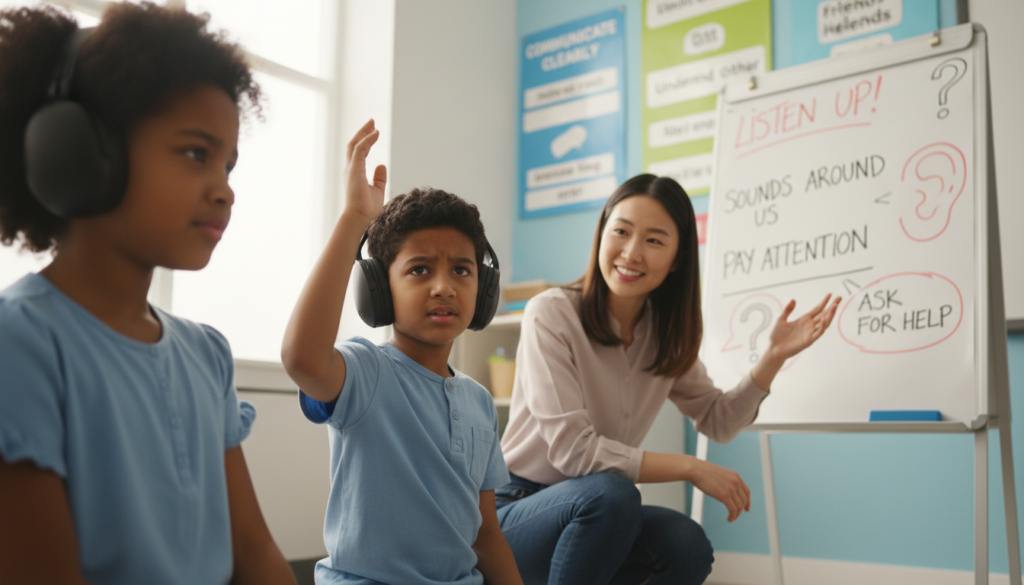
A child with this processing disorder often has difficulty when background noise interferes with clear speech. You might notice children apd exhibit trouble following long verbal instructions or frequently ask for repetition during lessons.
“Auditory processing skills are the foundation for learning, and when they are compromised, a child’s academic journey becomes significantly more challenging.”
Often, a child might confuse similar-sounding speech sounds, which creates difficulty with phonics and spelling. These children might also appear easily distracted or inattentive during group discussions in the classroom. Identifying children apd signs early helps teachers support their students effectively. Many parents think child struggles are just a lack of focus when they are actually symptoms.
APD and Co-occurring Conditions
This disorder frequently overlaps with other conditions such as ADHD, dyslexia, or autism. Research indicates that children with ASD often demonstrate lower auditory processing skills than their age-related peers. This makes processing complex language much harder and causes trouble in social settings.
| Condition | Shared Symptoms | Key Difference |
|---|---|---|
| ADHD | Inattention and distraction | Focus vs. signal processing |
| Dyslexia | Reading and spelling issues | Visual vs. auditory decoding |
| ASD | Communication challenges | Social vs. sound processing |
If you think child performance is slipping, it may be due to a processing disorder. Because these conditions share many symptoms apd, a professional diagnosis is necessary to differentiate the causes. If your child might be struggling, early intervention is the best path forward for long-term success.
Identifying children apd correctly ensures the child receives the specific help they need for this disorder. Effective support helps children manage their language and symptoms through tailored strategies. Every child might have a unique profile, but addressing apd early changes their educational outcome. These children deserve expert care for their processing disorder to thrive. Finally, apd management starts with a proper assessment.
Auditory Processing Disorder Diagnosis
While many experts might notice signs of listening struggles, rules strictly regulate the formal auditory processing disorder diagnosis. You cannot find the answer by simply using a checklist of symptoms. This is because many key symptoms also appear in children who do not actually have the condition.
A precise diagnosis ensures that every child receives the specific support they need to learn well. In Australia, Audiology Australia (AudA) sets the minimum standards for these evaluations. These experts follow a rigorous framework when assessing how a brain interprets sound. A careful assessment is the only way to be sure of a child’s needs.
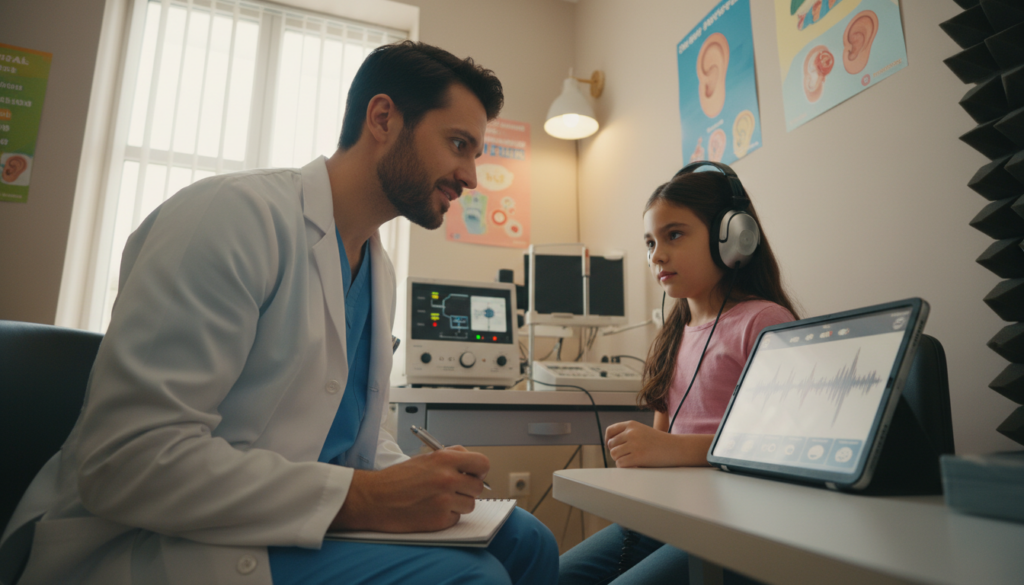
This high level of care is vital for identifying the unique way a child handles sound in daily life. This helps families understand the specific processing challenges their children face. Accurate testing prevents the confusion that comes from misidentifying other developmental issues.
Why Only Audiologists Can Diagnose APD
Only a qualified audiologist has the specialised training to provide a formal diagnosis. While other health workers may identify concerns, they lack the tools for clinical testing. These experts are trained to separate standard hearing loss from processing issues. This ensures the results are accurate and reliable for the child. Only an audiologist can confirm if a child has apd, making their role essential in the health system.
When to Seek an Assessment
Most parents seek an assessment when a child begins primary school. This is when listening demands increase in a busy classroom. If a parent or teacher notices a child struggling with instructions, they should act. The first step is to visit a GP or child health nurse. These professionals can then refer the family to an audiologist for a full review of the child’s processing skills and general health. Early apd detection leads to better long-term results.
| Professional Role | Role in the APD Process | Authority to Diagnose |
|---|---|---|
| GP or Paediatrician | Provides the initial medical referral | No |
| Speech Pathologist | Assesses language and literacy skills | No |
| Clinical Audiologist | Conducts specialised auditory assessment | Yes |
The Comprehensive Auditory Processing Assessment
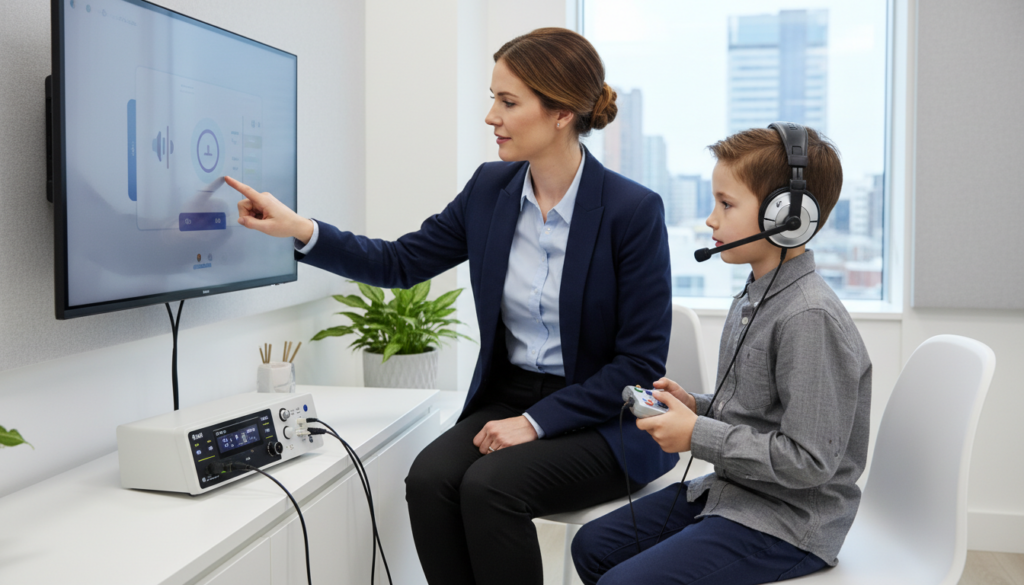
If you are searching for an auditory processing assessment audiologist near me, understanding the evaluation process is essential. A professional auditory processing assessment identifies how a brain manages the hearing of verbal data. This specialised processing assessment uses various tests to find the root of a listening disorder.
Clinicians use these results to create a unique map of an individual’s hearing health. This ensures that every assessment is tailored to the specific needs of the patient.
Initial Hearing and Middle Ear Tests
Every auditory processing assessment starts with checking the physical ear. An audiologist verifies that the middle ear is functioning correctly through tympanometry. This is a vital first step to rule out physical blockages or fluid.
Even if your child had a clear hearing result recently, results can fluctuate. These initial tests ensure that middle ear issues are not masking a processing difficulty. A healthy middle ear is necessary for accurate results in later stages.
By ruling out physical hearing loss first, we ensure the focus remains on the brain. This foundational step is critical for children who experience frequent infections.
Core APD Assessment Components
A core apd assessment involves several standardised tests to evaluate brain efficiency. These help an audiologist determine the specific nature of a disorder. It provides objective data across various auditory processing domains.
This phase of the assessment determines which processing pathways require the most support. Each test provides a piece of the puzzle regarding the suspected disorder.
Auditory Memory Testing
This part of the auditory processing check measures how a child retains spoken language. It evaluates the ability to recall verbal information in the correct order. This skill is vital for following teacher instructions in a busy classroom.
Speech Perception in Noise
Tests for understanding speech evaluate how children cope in noisy environments. We look at how background noise affects their ability to listen and follow speech. Success in noisy environments is vital for academic progress.
This test specifically measures understanding speech despite loud background noise. It mimics the real-world challenges faced by students every day.
Temporal Processing and Pattern Recognition
This processing test measures how one perceives different sounds. It checks the ability to recognise the timing and pitch of auditory information. Clinicians often use a Frequency Pattern Test to identify this specific disorder.
Binaural Separation and Spatial Listening
We use the Dichotic Listening Test to see how the brain handles competing sounds. It tracks how a person separates noise coming from different directions. This measures how well the brain organises information from both ears simultaneously.
Behavioural Observation and Case History
The final part of the processing evaluation involves gathering a detailed case history. We look at developmental milestones and medical history related to a potential apd. The audiologist reviews how a child functions in daily life.
Questionnaires are used to compare processing performance at home and school. This apd data helps create a complete picture of an individual’s auditory processing strengths. These final tests ensure the disorder is understood within a real-world context.
Treatment and Support Strategies for APD
While no medical cure exists for auditory processing disorder, early intervention and tailored treatment plans offer significant hope for improving a child’s communication skills. This multidisciplinary approach involves families, teachers, and a specialised audiologist working together to create a custom plan. Effective treatment focuses on strengthening the brain’s ability to interpret sounds while providing support in challenging listening situations.
A diagnostic audiologist often acts as a bridge between clinical results and practical solutions for children with apd. These professionals help schools implement strategies that maximise learning potential for every child. Ongoing support ensures that the auditory processing needs of the student are met as they progress through different educational stages. By using evidence-based treatment, families can help reduce the impact of this processing disorder on daily life.
Classroom Accommodations and Environmental Modifications
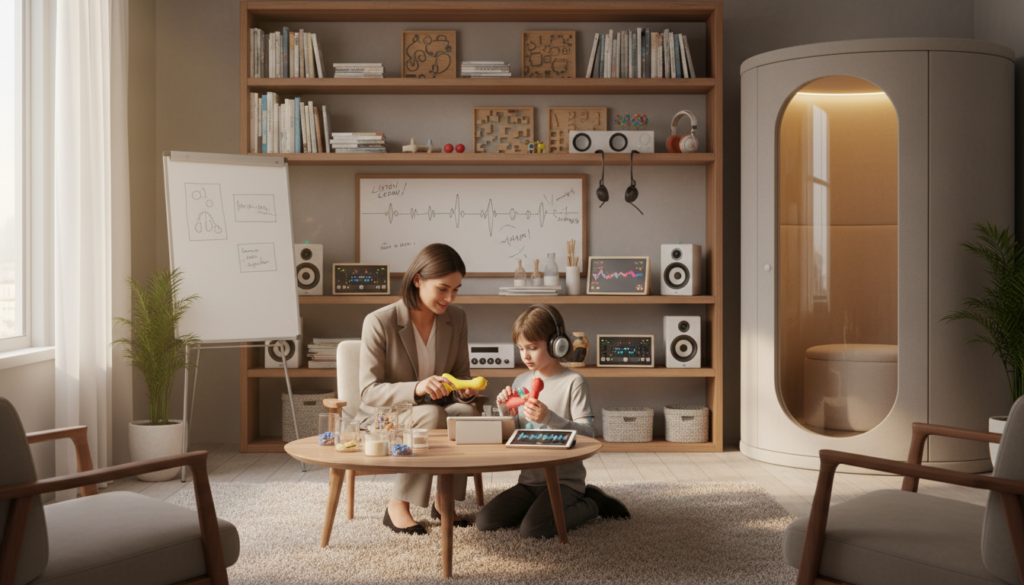
Optimising acoustic environments is essential for effective learning in the classroom. Teachers can help by using preferential seating away from distracting noise sources. Supplementing spoken instructions with visual information helps ensure the student understands the task clearly. Reducing background interference allows children to focus on the teacher’s voice without feeling overwhelmed in busy environments.
Therapeutic Interventions and Assistive Technology
Therapeutic treatment, such as speech therapy, targets specific language and processing skills to build confidence. Assistive technology, including FM systems, transmits sound directly to the student’s ear to overcome distance. These auditory processing training programs help the brain adapt to complex sounds, improving overall learning outcomes. Consistent treatment for the disorder changes how a student experiences their language development.
Early intervention is the cornerstone of managing a processing disorder, allowing the brain to develop more efficient pathways for sound.
The following table summarises the primary strategies used to support a student diagnosed with this disorder and auditory processing difficulties:
| Strategy Category | Common Examples | Primary Goal |
|---|---|---|
| Environment | Preferential seating, acoustic tiling | Minimise background sounds |
| Technology | FM systems, remote microphones | Improve signal-to-noise ratio |
| Therapy | Auditory training, speech therapy | Strengthen brain processing |
| Support | Visual aids, written instructions | Reinforce verbal information |
Conclusion
Prompt help for a processing disorder helps children grow. Good APD treatment makes learning and speech clear.
Early auditory processing care keeps learning on track. Email [email protected] to get more help right now.
| Service Inquiry | Contact Information |
|---|---|
| Specialised APD Support | [email protected] |