
Many older Australians notice significant changes in their daily well-being as they age. Recent data shows that auditory issues affect one in three seniors between 65 and 74 years old. This problem is more than just missing a few words in a casual conversation.
Research suggests that these challenges deeply influence our general psychological stability. When the brain works harder to process sounds, it faces a heavy constant strain. This extra effort often leads to a rapid cognitive shift that affects memory.
This guide explores the link between these conditions and your overall wellness. We will look at warning signs and proven treatments available across the country. Understanding these risks helps you protect your brain and stay sharp as you age.
Evidence shows a clear decline in function when these issues go ignored for too long. Taking proactive steps is essential for maintaining a high quality of Australian life. Our guide serves as a professional resource for those seeking expert clarity on this topic.
Key Takeaways
- Auditory issues are highly prevalent among older Australians today.
- Straining to process sound can negatively impact your daily mood.
- Early action is vital for maintaining long-term brain vitality.
- Proactive care reduces the risk of serious memory difficulties later.
- Modern treatments support both your ears and your general peace of mind.
- Professional guidance helps you navigate these complex biological connections.
Understanding the Link Between Hearing and Mental Well-Being
Hearing is not just about the ears; it is a sophisticated cognitive process that bridges the gap between our environment and our minds. Sound waves enter the ear canal and vibrate the eardrum before transforming into electrical signals in the inner ear. Finally, the brain interprets these signals, allowing us to make sense of the world around us.
The auditory system actively shapes our sensory experience. It influences how we perceive and respond to our surroundings, which is vital for our health. Recent research suggests that this relationship is bidirectional.
While a loss of auditory input can trigger anxiety, existing psychological conditions may also change how we perceive sounds. Maintaining good hearing is essential for social connection and emotional well-being. When this system fails, the resulting isolation can lead to a decline in mental health.
“The ear is the doorway to the mind, and when that door closes, the world begins to shrink.”
People living with hearing loss or tinnitus are often more likely to face depression. This occurs because the mind must work harder to decode muffled sounds, straining our mental resources. Comprehensive health care must address both the ears and the mind to be effective.
Recognising this link is the first step toward better long-term outcomes. Addressing a loss early can prevent long-term damage to one’s mental health. Protecting your hearing is a proactive step toward better overall health, as hearing and cognitive function are deeply intertwined.
| Connection Factor | Biological Mechanism | Impact on Well-Being |
|---|---|---|
| Sensory Input | Sound conversion to electrical signals | Maintains environmental awareness |
| Cognitive Load | Resource reallocation in the mind | Increased levels of mental fatigue |
| Social Links | Active verbal communication | Reduces the risk of social isolation |
| Auditory Feedback | Systematic sensory processing | Supports emotional regulation |
Hearing Loss Mental Health: The Psychological Impact
The impact of hearing loss on one’s mind is a multifaceted issue that extends well beyond auditory limitations. Many Australians face significant psychological challenges as they navigate a world that feels increasingly distorted. These symptoms often surface when individuals struggle to connect with loved ones or participate in everyday social discussions.
Anxiety and Constant Worry
Persistent anxiety often arises from the fear of missing vital information or experiencing social embarrassment. Individuals may experience constant worry about how quickly their hearing will decline or if current treatments will remain effective. This constant state of high alert causes significant distress, especially when navigating noisy environments like cafes.
The fear of being judged for mishearing a question can lead to a cycle of anxiety that is hard to break. Over time, this anxiety can prevent people from engaging in the activities they once loved. Recognising these signs early is the first step toward reclaiming peace of mind.
Depression and Feelings of Isolation
Living with hearing impairment can lead to deep depression and a sense of grieving for lost auditory experiences. These feelings of loss often occur when a person can no longer hear birdsong, music, or a grandchild’s whisper. Social isolation frequently follows, as many people choose to withdraw from gatherings to avoid the frustration of communication.
This withdrawal can worsen depression and diminish a person’s sense of autonomy and self-worth over time. Such feelings often trap individuals in a cycle where depression becomes more severe without intervention. Seeking professional support can help manage these emotional burdens effectively.

Psychosis and Auditory Hallucinations
Research suggests a surprising link between hearing loss and psychological conditions like psychosis. Some people report auditory hallucinations, such as hearing phantom voices or music, which can cause intense distress. These experiences might stem from extreme social isolation or disruptions in how the brain recalls and perceives information.
It is important to treat these occurrences as valid medical concerns rather than inevitable signs of ageing. Professional intervention can provide clarity and reduce the fear associated with these sounds. Understanding the brain’s response to silence is key to managing these unique challenges.
Sleep Problems and Disrupted Rest
Impaired hearing often results in poor sleep quality, as the brain works harder to process sounds during the day. This mental exhaustion can lead to a low mood and increased levels of emotional distress. When the brain cannot rest properly, it struggles to regulate emotions and maintain cognitive health.
Long-term sleep disruption also raises the risk of physical health issues like high blood pressure and diabetes. Addressing these symptoms early can help break the cycle of poor rest and worsening depression. Improving auditory health is often a vital step toward achieving better rest and overall vitality.
The Connection Between Hearing Loss and Cognitive Decline
Medical experts now recognise that untreated hearing loss significantly increases the risk of developing cognitive health issues. This scientific link suggests that auditory health influences the way our minds age over time. Many Australians ignore these symptoms, but early detection is vital for long-term mental sharpness.
Increased Cognitive Load on the Brain
When hearing issues arise, the mind must work significantly harder to decode unclear auditory signals. This constant strain uses up mental energy that should be reserved for memory and problem-solving tasks. It effectively exhausts the processing capacity of the mind.

Consequently, this increased cognitive load leads to mental exhaustion and physical distress. When the brain prioritises hearing over thinking, vital executive functions often suffer and weaken. This shift leaves fewer resources for forming new memories or staying focused.
Over time, this imbalance contributes to a faster rate of impairment. People often experience significant emotional distress when they cannot keep up with complex conversations. This daily struggle makes it harder to manage routine tasks effectively.
Social Isolation as a Contributing Factor
Social isolation acts as a critical mediator between hearing difficulties and mental impairment. Many Australians withdraw from gatherings because they struggle to follow group discussions in noisy rooms. They may feel embarrassed or frustrated by their inability to connect.
This lack of engagement removes the vital stimulation needed to stay sharp. Research shows that social isolation is a major risk factor for dementia in older populations. Without regular interaction, the mind lacks the challenges required to maintain healthy neural pathways.
Staying connected provides the mental “exercise” necessary to slow down decline. Engaging in meaningful conversations keeps the mind active and resilient. Keeping a busy social life protects your future mental health and well-being.
Brain Atrophy from Reduced Auditory Stimulation
Recent studies show that regions of the mind responsible for sound processing actually shrink when they are not used. This “use it or lose it” phenomenon means that untreated hearing loss leads to a loss of grey matter. The lack of input causes these specific areas to waste away.
Losing this tissue affects more than just your ears; it impacts the whole brain. Thankfully, using devices like hearing aids can help preserve these structures by providing necessary input. Consistent stimulation keeps the neural pathways strong and functional.
Early care is essential for slowing the speed of decline. By keeping the auditory cortex active, you maintain better overall structural integrity. This proactive approach ensures your mind stays healthy for many more years to come.
“Maintaining healthy hearing is not just about sound; it is an essential component of overall brain health and dementia prevention.”
| Impact Factor | Untreated Hearing Loss | Treated (Hearing Aids) |
|---|---|---|
| Cognitive Load | High exhaustion and strain | Reduced mental effort |
| Brain Structure | Risk of tissue atrophy | Better preservation of matter |
| Social Connection | Increased isolation risk | Improved engagement levels |
| Mental Risk | Accelerated decline | Lowered risk of impairment |
Understanding the Causes and Types of Hearing Loss
Recognising the different categories of auditory challenges helps individuals navigate the path to better communication and health. Most cases fall into three main categories: age-related, noise-induced, and conductive. Understanding these conditions allows people to manage their expectations regarding treatment and long-term recovery.
Age-Related Hearing Loss
Age-related hearing loss, commonly known as presbycusis, is a gradual process that usually affects both ears equally. It occurs due to natural changes in the inner ear structures and auditory nerve pathways as we age. Because the change is so slow, many people do not notice the impairment until it significantly impacts their daily life.
Certain health factors can speed up this decline in the inner and middle ear. High blood pressure, diabetes, and specific medications can damage sensory receptors over time. Protecting your ears from cumulative noise exposure throughout your life is also essential for maintaining long-term loss prevention.
Noise-Induced Hearing Loss (NIHL)
Noise-induced damage often targets the delicate sensory hair cells within the cochlea. These cells cannot regenerate once they are destroyed by sudden loud cracks or the lengthy roar of machinery. Statistics show that nearly 24 percent of adults have some form of noise-induced hearing impairment.
Men and teenagers are increasingly affected by these auditory loss conditions. High volumes from concerts, personal headphones, or construction equipment are primary culprits for many. Prevention is the only real cure, as this specific hearing loss is usually permanent and irreversible.
Conductive Hearing Loss
Conductive hearing loss happens when a mechanical blockage prevents sound from reaching the inner ear. This loss might make sounds seem muffled or distant in one or both of your ears. Unlike sensorineural impairment, this type often responds well to medical or surgical intervention.
Knowing the specific type of hearing loss you have is the first step toward restoring the sounds you love.
Common causes for a conductive hearing impairment include:
- Excessive earwax buildup blocking the canal.
- Fluid accumulation from middle ear infections.
- Benign tumours or foreign objects in the ear.
- Congenital deformities of the ear canal or middle ear.
It is important to differentiate between these conditions to find the right solution. While some issues require lifestyle changes, others need professional medical care.
| Type of Loss | Primary Cause | Typical Treatment |
|---|---|---|
| Sensorineural | Nerve or hair cell damage | Hearing aids or implants |
| Conductive | Physical or mechanical block | Medicine or surgery |
| Mixed | Combined physical and nerve factors | Specialised clinical approach |
Recognising the Warning Signs of Hearing Impairment
Recognising early symptoms of hearing impairment is crucial. Many individuals remain in denial or simply do not notice the slow deterioration of their auditory abilities. Proactive detection ensures better outcomes for your long-term mental well-being.
Difficulty Following Conversations
Effective communication often becomes the first casualty of untreated hearing loss. Many people find themselves constantly asking family members or colleagues to repeat their words during daily interactions. You might experience difficulty keeping up with discussions at a busy dinner table.
Frequent instances of miscommunication can be frustrating and may lead to social withdrawal over time. If you feel like others are mumbling, your hearing might need a professional review. Struggling to hear clearly on the telephone is also a significant red flag.
Trouble Detecting Specific Sounds
Identifying specific auditory changes is another important step in self-assessment. You might notice difficulty hearing high-pitched sounds, such as a doorbell or a mobile phone ringtone. Many individuals also struggle to distinguish similar consonants like “s” and “f” when someone is talking.

A common indicator is the television volume level. If your family regularly says the TV is too loud while you find it adequate, it is likely time for a check-up. Some people even experience physical pain from certain loud sounds due to paradoxical hypersensitivity.
Assessing Your Risk Factors
Understanding your personal risk helps you stay proactive about your health. Certain occupations, like construction, manufacturing, or factory work, expose you to hazardous noise levels. Recreational activities, including riding motorcycles or attending loud concerts, also contribute to potential damage.
- Chronic exposure to loud machinery or high-decibel music.
- A family history of auditory issues or previous ear trauma.
- Medical conditions such as diabetes, hypertension, or sleep apnoea.
Conditions like diabetes and high blood pressure are linked to increased hearing loss as well. Identifying these factors allows for better communication regarding your specific health needs. Don’t wait for the loss to worsen before booking a professional hearing assessment.
Tinnitus and Its Impact on Mental Well-Being
Understanding the phantom sounds of tinnitus is crucial for maintaining overall mental well-being in an increasingly loud world. This condition often travels alongside hearing loss, creating a complex cycle of auditory and psychological strain.
What Is Tinnitus?
Tinnitus involves hearing sounds like ringing, buzzing, or hissing when no external noise exists. It can be a temporary annoyance or a chronic struggle. Common causes include loud noise exposure, earwax blockages, or even sinus issues.
Surprisingly, over half of Australian adolescents have experienced tinnitus at least once. This often results from using earbuds at high volumes. Roughly one in ten adults live with these persistent symptoms, which can disrupt focus and physical comfort.
The Mental Health Burden of Chronic Tinnitus
The constant noise often leads to significant psychological distress. Many individuals experience anxiety and depression because the sound never stops. This makes relaxation nearly impossible for many sufferers.
When tinnitus becomes severe, the risk of self-harm increases significantly. Chronic stress and a lack of sleep further aggravate the condition. This creates a downward spiral that threatens long-term mental well-being.

“The persistent ringing of tinnitus is not just a sound; it is a psychological weight that requires both patience and professional support to manage.”
The condition interferes with daily concentration and social interactions. People often feel irritable or isolated because others cannot hear the noise they endure. This isolation can eventually lead to deeper feelings of depression.
Effective Management Strategies
Managing tinnitus requires a holistic approach to reduce symptoms and emotional distress. Sound masking devices and sleep apps help cover the internal noise. Relaxation techniques also help lower stress levels effectively.
Evidence-based therapies, such as cognitive behavioural therapy, help patients manage anxiety and depression. While some seek relief through acupuncture, one should avoid “miracle cure” scams. Legitimate tools and professional support can lead to a much higher quality of life.
Persistent tinnitus often leads to a cycle of distress that requires active coping mechanisms. Identifying personal triggers is a vital step in reclaiming silence and peace.
| Exacerbating Factor | Psychological Effect | Management Strategy |
|---|---|---|
| Loud Noise Exposure | Increased Irritability | Use Hearing Protection |
| High Stress Levels | Worsened Perception | Relaxation Exercises |
| Quiet Environments | Fixation on Sound | Sound Masking Apps |
| Caffeine Intake | Heightened Awareness | Dietary Monitoring |
Professional Treatment Options for Hearing Loss
Choosing to pursue clinical treatment for hearing issues is a powerful decision that supports both your brain and your mood. Modern medical pathways offer diverse solutions to bridge the gap between silence and connection. Professional care ensures you receive a plan tailored to your specific lifestyle and auditory needs.
Comprehensive Hearing Tests and Assessments
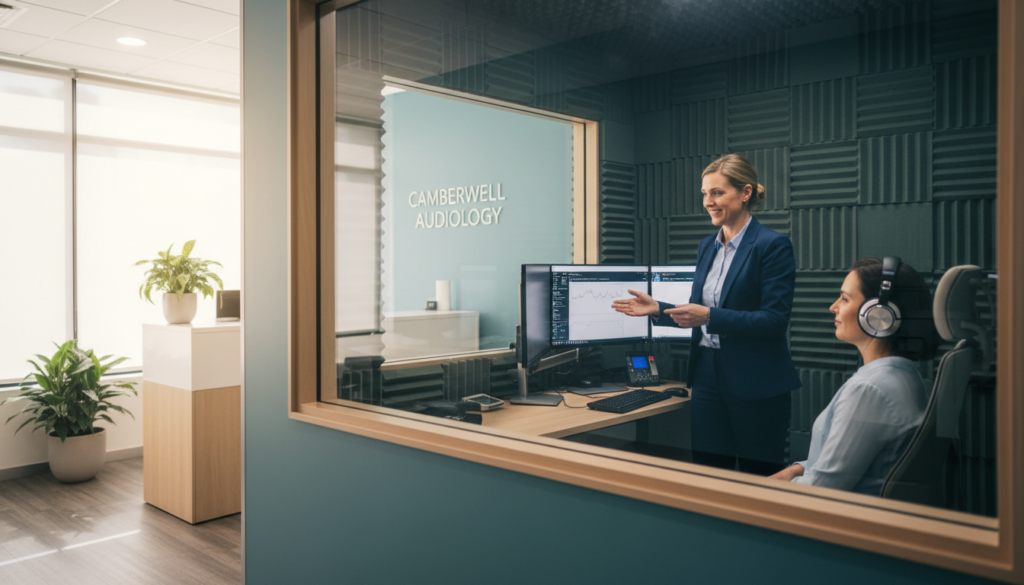
Every effective treatment starts with a detailed hearing test Camberwell Melbourne to pinpoint the exact nature of your impairment. During this process, an audiologist or otolaryngologist uses headphones to play various tones and speech sounds.
You will simply respond to beeps or repeat words to map your auditory range. Early detection is vital because it allows professionals to intervene before further damage occurs. Knowing the extent of your condition helps experts recommend the right technological aids for your daily life.
For expert hearing assessments and personalised treatment recommendations, email [email protected] to start your journey. Our local hearing care specialists provide the clarity you need to move forward with confidence.
Hearing Aids and Mental Health Improvement
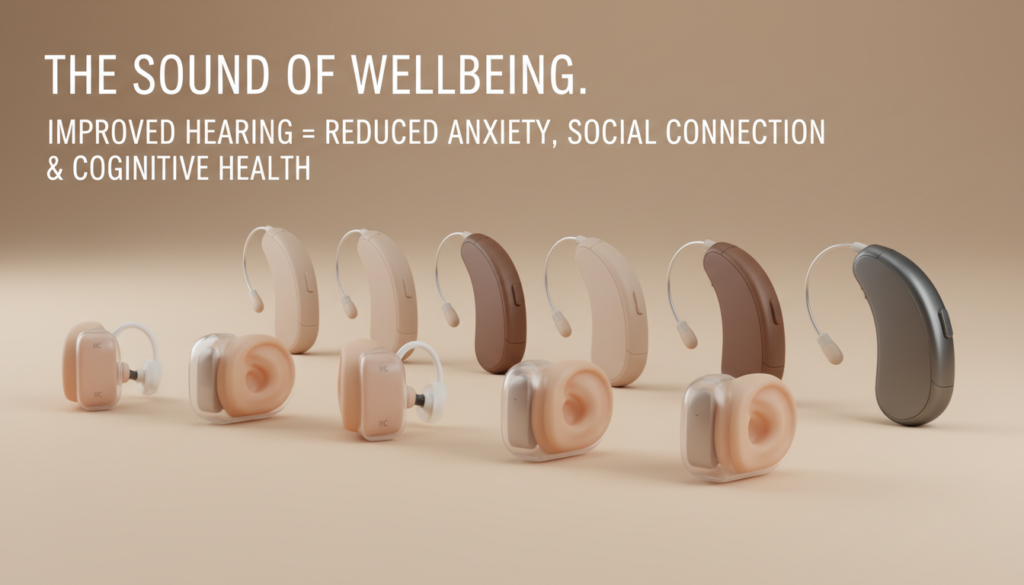
Research into hearing aids Australia mental health benefits shows that consistent use can transform your social life. These devices function by using a microphone to capture sound, an amplifier to increase volume, and a speaker to deliver clear waves.
This process allows remaining hair cells in the ear to detect sounds you previously missed. When individuals choose a hearing aid, they often find it much easier to follow conversations in busy cafes or family gatherings.
How Hearing Aids Reduce Psychological Distress
Regular hearing aid use is proven to lower the risk of psychological distress by significant margins. One 2020 study found that those who used these aids had 34% lower odds of experiencing chronic distress compared to those with untreated loss.
By restoring sound, a hearing aid helps you feel connected to your environment. This reduced burden on the brain prevents the mental fatigue often associated with struggling to listen.
Overcoming the Stigma of Hearing Aids
Some people avoid a hearing aid because they worry it makes them look old or frail. However, modern hearing aids are incredibly small and often sit deep inside the ear canal.
These discreet aids are designed to be almost invisible. Overcoming this stigma allows you to enjoy the life-changing benefits of improved sound without feeling self-conscious.
Cochlear Implants for Severe Hearing Loss
For individuals with profound impairment, a cochlear implant offers an advanced clinical treatment option. Unlike standard aids, these surgically inserted devices bypass damaged structures to stimulate the auditory nerve directly.
Recipients often report a massive boost in self-esteem and a reduction in social isolation. These communication aids enable life-changing interactions for those who do not benefit from a traditional hearing aid.
Accessing Mental Health Support Services

Managing sensory changes often requires mental health services hearing loss support Australia to address anxiety or depression. Professional support helps you adapt to your new hearing aid and manage any remaining emotional distress.
Counseling ensures you have the tools to navigate social settings with your new devices. Seeking this care is a vital investment in your long-term happiness and cognitive health.
While over-the-counter options exist for mild cases, a prescription hearing aid remains the gold standard for severe loss. Always consult a specialist to ensure your aids are programmed correctly for your unique ears.
Protecting Your Hearing and Preventing Mental Health Decline
Preventing hearing damage requires a four-step strategy focused on identifying risks and implementing effective lifestyle changes. While ageing is an inevitable process, hearing loss may be partially avoidable by shielding your ears from excessive noise. Consistency in prevention helps maintain your mental well-being and overall quality of life.
Adopting these habits ensures you can engage in social activities without the anxiety of communication barriers. Proactive care reduces the negative effects of auditory decline on your brain health. Protecting your hearing today preserves your cognitive function for the later years of your life.
Identifying Hazardous Sound Levels
Understanding the intensity of everyday sounds is the first step in hearing loss prevention. Sound is measured in decibels, and any noise consistently exceeding 85 decibels can cause permanent damage. The risk increases based on how close you are to the source and the duration of your exposure.
| Source of Noise | Decibel Level (dB) | Risk Level |
|---|---|---|
| Normal Conversation | 60 dB | Safe Environment |
| Motorcycles & Mowers | 90 dB | Moderate Risk |
| Power Tools & Concerts | 100–115 dB | High Risk |
| Sirens & Firecrackers | 120–150 dB | Extreme Risk |
Using Protective Accessories
You should use protective gear whenever you anticipate a noisy environment. Earplugs are a discrete choice that fit into the ear canal to reduce sound by up to 30 decibels. They are perfect for live music events but can be easily misplaced if you are not careful.
Earmuffs offer a similar level of protection and are easy to adjust for a secure fit. These are frequently used by professionals working with power tools or at shooting ranges. Audiologists can also provide custom-moulded plugs for those who require a more precise and comfortable fit.
Limiting Exposure to Loud Noises
The total time you spend in loud environments directly impacts the health of your ears. Take regular “quiet breaks” to allow your auditory system to recover from the effects of heavy noise. Maintain a safe distance from speakers at events and machinery at your workplace.
At home, choose appliances that mention quiet operation to reduce background hum. Simply turning off the television when you are not watching it can improve your acoustic environment. Hearing loss may result from the cumulative impact of these daily sounds over many years.
Relaxation Techniques for Stress Management
Managing stress is vital because hypertension can accelerate the decline of your auditory health. Practising deep breathing from the abdomen helps lower blood pressure and protects your internal ear structures. This simple habit supports a higher quality of life and better mental stability.
You can also try progressive muscle relaxation or body scan meditation to calm the nervous system. These tools help reduce the physical tension that often accompanies auditory challenges. Consistent use of these techniques ensures you stay resilient against the pressures of modern living.
Conclusion
Prioritising your hearing is an essential step in protecting your long-term mental health. Recent studies show that hearing loss is common in two-thirds of adults over seventy years old. This condition may lead to psychological distress if people leave it untreated for a long time.
Fortunately, research highlights that hearing loss may also represent a modifiable risk factor for cognitive decline. This means that taking action now can significantly change your future health. Empowering yourself with knowledge is the first step toward a better quality life.
Individuals who use hearing aids often report a higher quality life and reduced loneliness. Proper care may also help you avoid the social isolation that often follows sensory decline. Your family should encourage loved ones to seek professional support early to manage these conditions.
When people use hearing aids, they often find that their social challenges become much easier to manage. Overcoming the stigma of these challenges allows for a better quality of life. Addressing these issues at the right time ensures you maintain your overall well-being.
Ongoing care for your hearing is a vital part of staying connected to your family. Studies suggest that loss may impact the brain, but timely support helps protect your health. It is essential to use all available resources to prevent health decline and preserve your life.
For comprehensive hearing assessments and mental health support, contact [email protected]. Taking this step helps individuals protect their mental health and reclaim their quality life. You can use various tools to ensure hearing loss may not dictate your future.
| Action Step | Impact on Well-being |
|---|---|
| Early Assessment | Identifies risks before they worsen. |
| Consistent Use | Reduces loneliness and social stress. |
| Professional Guidance | Provides a roadmap for total health. |