
Hundreds of thousands of people live with hearing loss in just one ear. This condition, known as single-sided deafness, represents a significant hearing challenge where the other side functions normally. It can happen suddenly overnight or develop gradually over a long time.
Managing your auditory health is essential for maintaining personal safety and communication abilities in everyday situations. Local experts guide you toward a personalised treatment to improve your quality of life. For professional advice, contact [email protected] to discuss your specific situation.
Modern medicine provides multiple pathways to restore functional hearing for those affected. Choosing the best solution depends on your unique ear health and lifestyle goals. Expert assessment ensures you receive a plan tailored to your auditory needs.
Key Takeaways
- One ear has profound hearing loss while the other ear functions normally.
- This condition impacts spatial awareness and communication in noisy environments.
- Early diagnosis is essential for achieving optimal results for your loss.
- Advanced systems like CROS or cochlear implants provide effective pathways.
- Qualified audiologists in Australia offer specialised care for your hearing.
What Is Single-Sided Deafness?
Single-sided deafness is a unique auditory challenge where one ear functions perfectly while the other is essentially silent. This condition involves profound or total hearing loss in only one side of the head. The brain must then process all sounds through a single source, which changes how a person interacts with their environment.
Defining SSD and Unilateral Hearing Loss
In the medical world, clinicians distinguish between different types of auditory impairment to provide accurate care. Single-sided deafness specifically refers to a situation where the affected ear has a pure tone average greater than 80 dB HL. Meanwhile, the functioning ear remains at or better than 20-30 dB HL.
While the term unilateral hearing loss is a broad category, SSD is a more extreme form of this condition. It is a specific type hearing impairment where amplification in the dead side often provides little to no clarity. This makes the loss particularly difficult to manage without specialised technology.
How SSD Differs from Bilateral Hearing Loss
Bilateral hearing loss affects both sides, but SSD creates a completely asymmetrical experience for the listener. When the brain only receives input from one ear, it loses the ability to locate sound sources or filter out background noise effectively. This lack of balance is fundamentally different from simply having reduced volume in both ears.
People living with this condition often describe the “head shadow effect,” where the head acts as a physical barrier to sound. This prevents high-frequency signals from reaching the functioning side. This spatial struggle is a hallmark of single-sided deafness that distinguishes it from standard bilateral hearing issues.
| Feature | Single-Sided Deafness | Bilateral Hearing Loss |
|---|---|---|
| Affected Side | One ear only | Both ears |
| Spatial Awareness | Significantly impaired | Usually maintained with aids |
| Medical Threshold | Greater than 80 dB HL | Varies from mild to profound |
| Primary Treatment | Sound routing or implants | Standard bilateral amplification |
Common Causes of Single-Sided Deafness
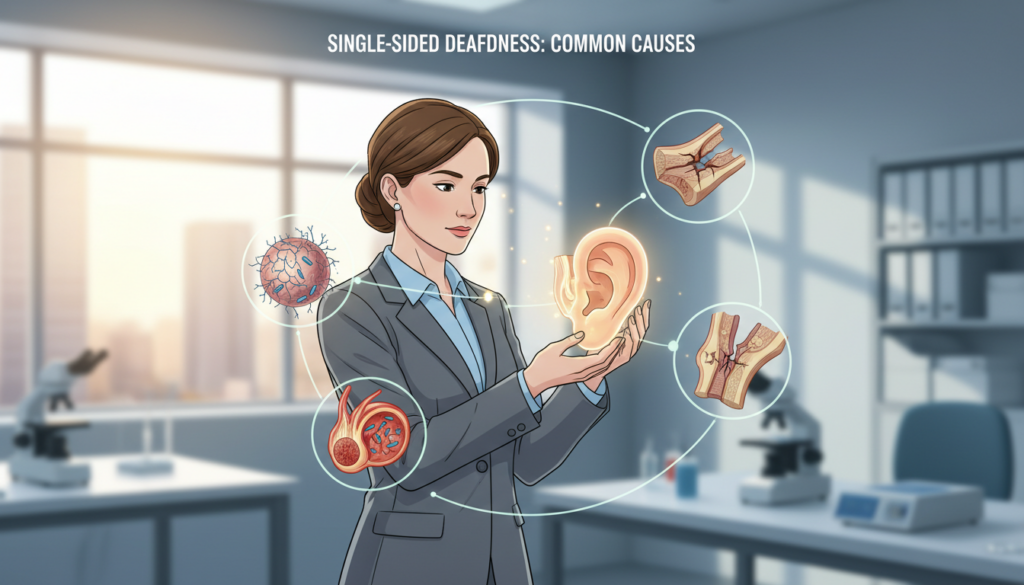
Identifying the root cause of single-sided deafness involves looking at everything from viral triggers to nerve health. While some people lose their hearing overnight, others experience a slower decline over many months. In many clinical cases, the exact reason remains unknown despite thorough medical testing.
Sudden Sensorineural Hearing Loss (SSHL)
Sudden Sensorineural hearing loss represents a primary cause of rapid auditory deterioration. This condition often occurs within a very short time frame, sometimes immediately upon waking up. Specialists frequently attribute this sudden change to viral infections or direct nerve damage.
Acoustic Neuroma and Tumours
Acoustic neuromas are benign tumours that develop on the vestibular pathway. As the growth expands, it interferes with the electrical signals sent to the brain. This gradual pressure eventually results in a complete loss of function in the affected ear.
Viral and Bacterial Infections
Various infections can cause permanent damage to the delicate structures of the inner ear. Conditions like meningitis, measles, and mumps are known triggers for profound unilateral hearing. Labyrinthitis and vestibular neuritis also pose significant risks to long-term hearing health.
Head Trauma and Physical Damage
Physical injuries from accidents or contact sports can physically damage the temporal bone. Such trauma may sever the pathways required for sound transmission. This often leads to immediate and permanent hearing loss in the patient.
Meniere’s Disease and Other Inner Ear Conditions
Meniere’s disease causes episodes of vertigo and fluctuating loss of auditory clarity. Over many years, the affected ear may lose all functionality while the other remains healthy. Other factors include autoimmune diseases and certain medications that prove toxic to the auditory system.
| Condition | Nature of Onset | Primary Impact |
|---|---|---|
| SSHL | Rapid / Sudden | Sudden loss |
| Meniere’s Disease | Fluctuating | Permanent hearing loss |
| Acoustic Neuroma | Progressive | Auditory pathway pressure |
How Single-Sided Deafness Is Diagnosed

Accurate diagnosis of single-sided deafness involves a series of sophisticated tests to pinpoint the exact nature of the impairment. An experienced audiologist will guide you through this clinical process to ensure you receive the right care.
Comprehensive Hearing Assessment
The evaluation begins with a detailed case history where your specialist documents the onset and duration of your hearing loss. They also look for associated symptoms such as vertigo, tinnitus, or physical pain in the ear.
For professional diagnosis and support in Australia, patients are encouraged to contact [email protected]. This initial consultation establishes the baseline needed to monitor your long-term progress.
Specialists use these findings to rule out temporary obstructions before moving to technical evaluations. This ensures that the diagnostic process focuses on the underlying sensory or neural issues.
Audiological Testing Methods
Pure tone audiometry is the foundational test used to measure thresholds at frequencies from 500 Hz to 4000 Hz. This involves testing both air and bone conduction to determine the specific type of loss present.
Speech audiometry, including Consonant Nucleus Consonant (CNC) word recognition, assesses how well the ear understands spoken language. These results are vital for choosing the most effective treatment options later.
The audiologist also employs specialised masking techniques. These protocols ensure the “good” ear does not help during the hearing test of the affected side.
Determining the Cause and Severity
Tympanometry and acoustic reflex testing evaluate middle ear function and the health of the ossicular chain. These tools help differentiate between conductive, sensorineural, and mixed hearing issues.
In some cases, medical imaging like an MRI may be necessary to identify structural abnormalities or tumours. This identifies if the loss stems from a physical condition requiring medical or surgical intervention.
A comprehensive assessment allows the clinical team to map every level of hearing function. This data is essential for tailoring a rehabilitation plan that fits your specific lifestyle and needs.
The Impact of Living with Single-Sided Deafness
Navigating life when you can only hear from one side introduces a range of acoustic and social hurdles that affect everyday wellbeing. Having a single functioning ear does more than just reduce volume; it fundamentally changes how the brain interprets your entire environment. This condition requires constant mental effort to stay engaged with the world.
The Head Shadow Effect Explained
The head shadow effect occurs when the physical mass of the skull blocks high-frequency sounds from reaching the good side. Consonants have short wavelengths that cannot bend around the head, while vowels travel more easily. Because consonants carry the primary meaning in speech, many words become difficult to distinguish or sound muffled.
Sound Localisation Challenges
The human brain relies on input from both ears to pinpoint exactly where a sound originates. Without this binaural input, people often struggle to determine the direction or distance of a specific sound source. This lack of spatial awareness creates significant navigation issues, especially when trying to find a person calling your name in a crowd or ignoring background noise.
Communication Difficulties in Noisy Environments
In busy Australian cafes or social gatherings, the ability to separate a single voice from the surrounding noise is vital. Hearing one ear makes it nearly impossible for the auditory system to filter out unwanted background clutter. The resulting “cocktail party effect” failure often leads to intense frustration during group conversations.
Safety Concerns and Daily Life Impacts
Safety risks are a major concern for those with hearing in only one ear. It is harder to hear sounds like approaching traffic or a quiet electric car when crossing a road. This loss also makes simple tasks, like chatting in a car when the speaker is on your “deaf” side, a constant struggle.
Emotional and Psychological Effects
Living with these hearing challenges often results in profound listening fatigue and exhaustion. Many people face social issues, such as losing confidence or withdrawing from events to avoid the embarrassment of frequent misunderstandings. This persistent loss of clarity can significantly increase daily stress and impact overall mental health.
Single-Sided Deafness Treatment Options: An Overview
Modern audiology offers several sophisticated pathways for managing the unique challenges posed by single-sided deafness. While traditional hearing aids often fail to help a “dead” ear, clinical advancements provide effective alternatives. These solutions focus on rerouting sound or stimulating the auditory nerve directly to improve your awareness.
Traditional hearing aids provide no benefit for a profoundly deaf ear because amplification cannot restore clarity to a damaged nerve. Instead, clinicians focus on binaural hearing goals to help patients navigate complex environments. Australians can explore these personalised paths to better health by contacting [email protected].
Understanding Your Treatment Choices
Choosing a single-sided deafness treatment involves looking at three primary categories of technology. CROS systems act as a wireless bridge, picking up sound on the poor side and sending it to the better ear. This helps overcome the head shadow effect without requiring any invasive procedures.
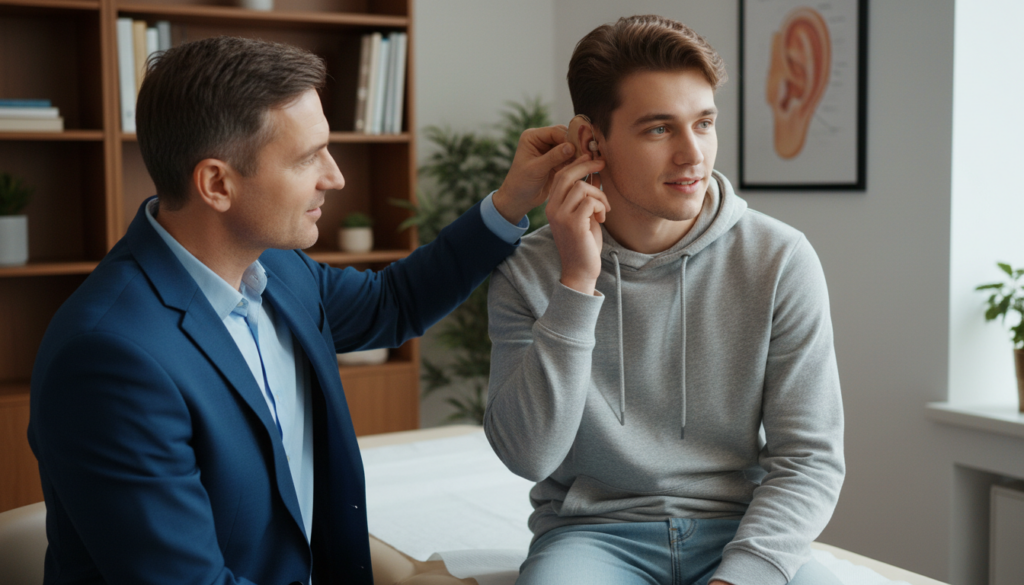
Bone-anchored hearing devices use bone conduction to vibrate the skull and send signals to the functioning inner ear. Finally, cochlear implants represent the gold standard for restoring actual hearing in the affected ear. These implants bypass damaged structures to provide direct electrical stimulation to the auditory nerve.
Factors That Influence Treatment Selection
The decision-making process requires a close partnership with your audiologist to ensure the best outcome. They will evaluate the duration of your hearing loss and the health of your auditory nerve. Shorter periods of deafness typically lead to better results with advanced treatments.
Your lifestyle and willingness to undergo surgery also play a significant role in which hearing solution fits best. Some patients prefer non-surgical CROS systems, while others seek the true binaural experience of a cochlear implant. Professional care ensures you select a device that matches your daily communication needs and long-term goals.
| Treatment Option | Primary Mechanism | Invasive Surgery? | Benefit Type |
|---|---|---|---|
| CROS / BiCROS | Wireless sound rerouting | No | Improved awareness |
| Bone-Anchored (BAHA) | Bone conduction vibration | Yes / No (Options) | Reduced head shadow |
| Cochlear Implant | Nerve stimulation | Yes | Restores 3D hearing |
CROS and BiCROS Hearing Aid Systems
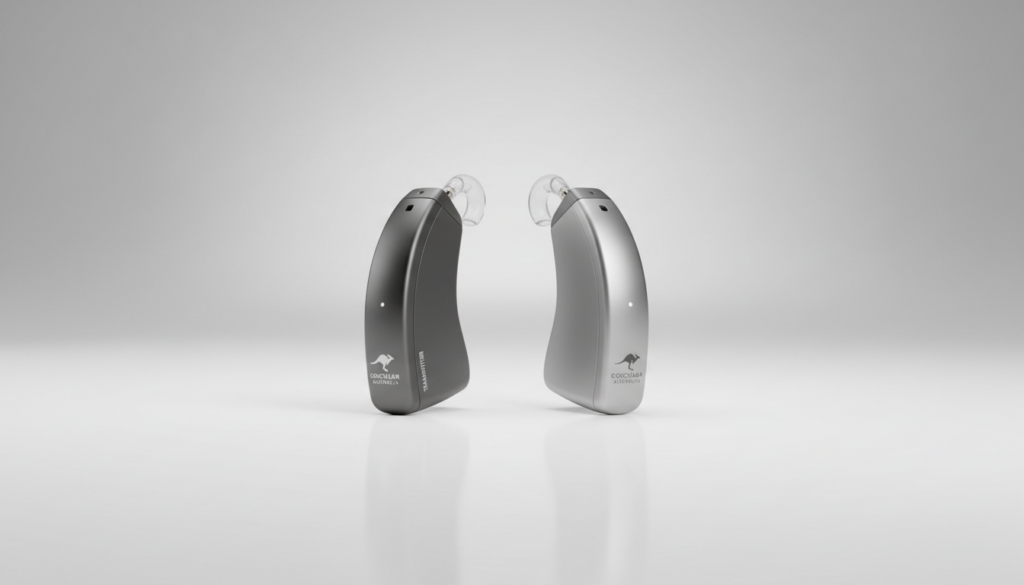
For those navigating the challenges of unilateral hearing loss, CROS and BiCROS systems offer a sophisticated non-surgical path forward. CROS stands for Contralateral Routing Of Signal, a specialised technology designed specifically for single-sided deafness.
These devices help Australians regain a sense of “all-around” hearing without the need for invasive surgery. They work by capturing sound from the side with no hearing and sending it to the side that still functions.
How CROS Systems Work
A CROS system consists of two separate hearing aids worn on both sides of the head. The device on the deaf ear acts as a microphone transmitter that picks sounds from that side of the environment.
This contralateral routing signal is then sent wirelessly across the head. The receiver, worn on the hearing ear, delivers that sound instantly so the wearer stays aware of their surroundings.
This process of contralateral routing allows you to engage with people standing on your “bad” side. It effectively eliminates the physical barrier created by the head, often called the head shadow effect.
Understanding BiCROS Technology
BiCROS technology is a variation designed for people who have hearing loss in their better ear as well. In this setup, the routing signal from the deaf side is sent to the better side just like a standard CROS.
However, the receiver on the better ear also acts as a traditional hearing aid. It provides a type hearing support that amplifies local sounds while also playing the audio from the other side.
This dual-function aid ensures that both the transmitted contralateral routing signal and direct sounds are clear. It is a vital tool for those managing complex, asymmetrical hearing needs.
Phonak CROS and Signia CROS Systems
Modern manufacturers have significantly improved these systems by adding smart features and AI processing. The Phonak CROS Lumity is a popular choice in Australia, offering excellent speech clarity in various environments.
Signia CROS Pure is another high-end hearing aid option that features Bluetooth connectivity. These aids allow users to stream phone calls and adjust settings through smartphone apps for a personalised experience.
Benefits and Limitations of CROS Devices
The primary benefit of these hearing aids is improved spatial awareness in group settings. Users find they no longer need to constantly turn their heads to catch a conversation from their deaf side.
One limitation occurs when there is significant noise only on the deaf side. Because the transmitter picks sounds indiscriminately, it might send that background chatter directly into your good ear.
Fortunately, advanced aids now include automatic switching to help manage these situations. This technology helps the aid focus on speech rather than distracting background sounds.
Who Is a Good Candidate for CROS?
The ideal candidate for this hearing solution is someone with profound loss in one ear and near-normal health in the other. It is a perfect choice for those who prefer a non-surgical approach to their hearing aids.
Australians who work in busy offices or enjoy social gatherings often see the most benefit. If you struggle to maintain awareness of your environment, these aids could transform your daily communication.
Bone-Anchored Hearing Aids (BAHA) for Single-Sided Deafness
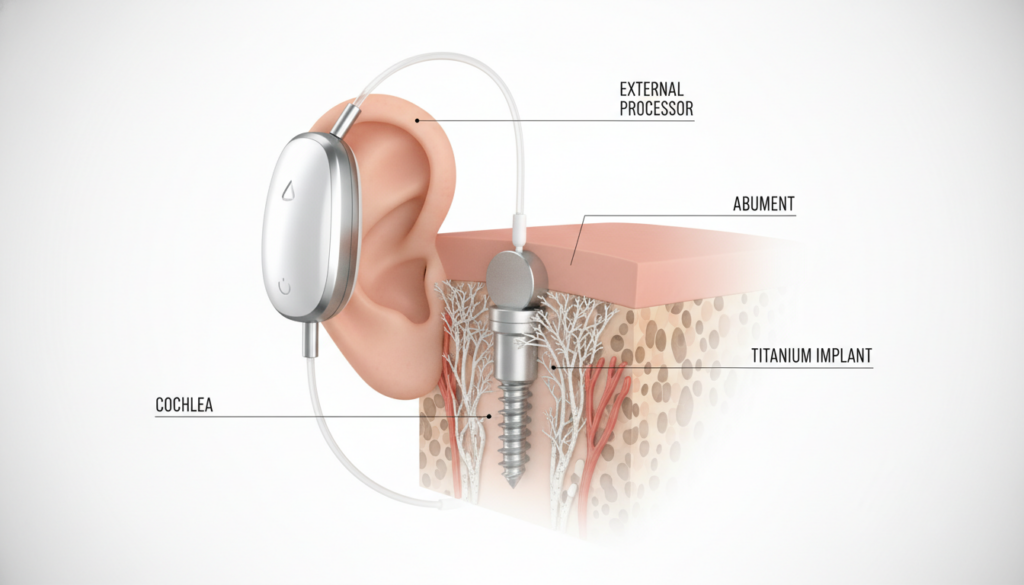
Bone-anchored hearing aids use the body’s natural ability to conduct sound through bone to bypass ear damage. This technology provides a permanent solution for those who cannot benefit from traditional hearing aids. It creates a bridge for sound to travel from the deaf side to the functioning hearing organ.
This specialised hearing aid is particularly effective for Australians living with profound unilateral loss. By using a titanium connection, the device sends clear signals directly to the inner ear. This helps many people regain a sense of balance in their daily listening environments.
Understanding Bone Conduction Technology
The core of this technology is bone conduction, a process where vibrations travel through the skull. An external processor picks up sound on the non-hearing side and converts it into mechanical energy. This energy moves through the bone to reach the healthy cochlea on the opposite side.
These systems bypass the outer and middle ear entirely to deliver information. This direct stimulation of the functioning ear ensures that sound remains crisp and clear. It is a highly efficient process for routing signals across the head shadow.
The Osia System for SSD
The Osia System represents a significant leap in bone-anchored hearing technology. It is specifically designed for patients aged five years and older with profound sensorineural loss in one ear. To qualify, the opposite ear must have normal hearing thresholds of 20 dB HL or better.
The Osia serves as a vital option for those who find a CROS hearing aid uncomfortable. It provides superior transmission of high-frequency sounds compared to older bone conduction devices. This helps users understand speech better in crowded Australian cafes or busy streets.
Surgical and Non-Surgical Options
Patients can choose between different pathways for their bone-anchored hearing journey. The surgical process involves placing a small titanium implant into the mastoid bone behind the ear. Over several weeks, the bone grows around the metal to create a stable anchor for the sound processor.
If you are not ready for surgery, non-surgical options are available for a trial. You can wear the device on a softband or headband to test the benefits first. This allows you to experience the improved quality of life before committing to a permanent procedure.
Advantages of Bone-Anchored Solutions
One major benefit of bone-anchored hearing is the direct stimulation of the cochlea. Unlike traditional aids, these devices do not require anything to be inserted into the ear canal. This keeps the ear canal open and reduces the risk of irritation or infections.
Users often report better spatial awareness and reduced listening effort throughout the day. The systems are powerful enough to capture subtle high-frequency details that other aids might miss. This leads to more natural communication in both quiet and noisy settings.
BAHA vs CROS: Which Is Right for You?
Choosing between a BAHA and a CROS hearing aid depends on your lifestyle and health preferences. Both systems aim to route sound to your good ear, but their methods differ. A CROS aid is completely non-invasive and requires no surgery to function.
Most clinicians recommend a CROS trial as the first step for single-sided deafness. However, if you seek a more permanent and discreet solution, bone-anchored hearing may be superior. Discussing these options with an audiologist will help you decide which aid fits your hearing goals best.
Cochlear Implants as a Treatment for Single-Sided Deafness
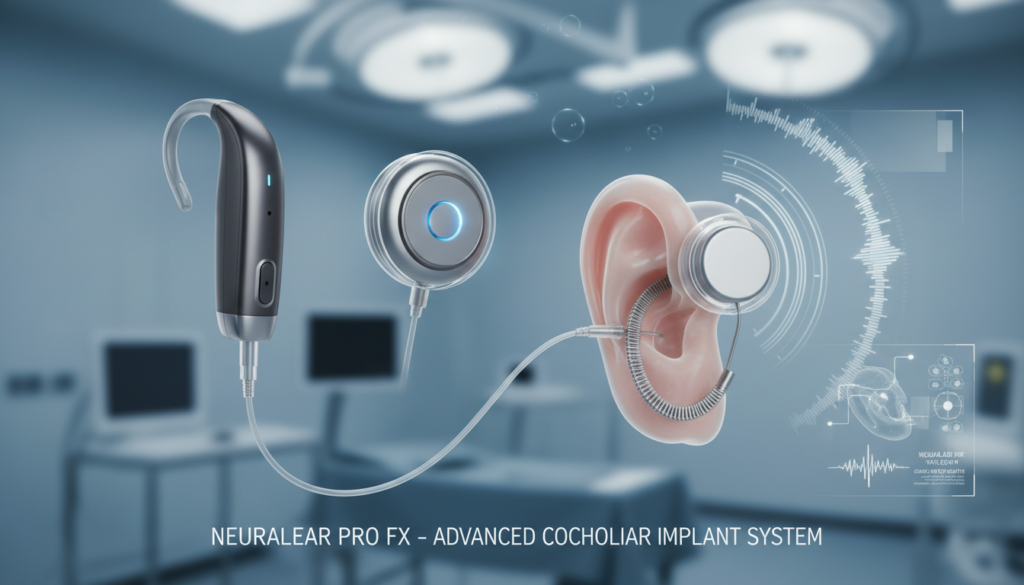
For individuals seeking to regain true binaural hearing, cochlear implants offer a sophisticated medical pathway beyond standard devices. A cochlear implant stands as the gold standard for treating profound hearing loss on one side. Unlike traditional aids, these medical devices are the only way to completely restore the way the brain processes sound from both sides.
This technology bypasses damaged parts of the ear to create a direct line of communication with the brain. It provides a permanent solution for those who find no relief from conventional amplification. Many Australians are now choosing this route to reclaim their spatial awareness and safety.
How Cochlear Implants Work for SSD
The system uses an external processor to capture environmental sound and turn it into digital signals. An internal receiver then sends these electrical patterns to an electrode array. This array directly stimulates the auditory nerve, allowing the ear to send vital information to the brain.
By stimulating the nerve directly, the device overcomes the total loss of hair cell function in the cochlea. This electrical stimulation mimics natural hearing, helping the brain interpret complex signals once again. It is a highly precise process that restores input to the deaf side.
The Nucleus System for Unilateral Hearing Loss
The Nucleus System is specifically designed to help people with hearing one side only. This technology provides a clear signal that the auditory nerve can easily interpret and process. By using this system, the implant helps restore the natural balance of hearing one’s environment.
Candidacy Requirements for Cochlear Implantation
In Australia, candidacy usually starts for people aged five years and older. Patients must have severe hearing loss in the affected ear and near-normal hearing in the other. Specialists confirm that a standard hearing one cannot be helped by normal hearing aids before proceeding.
Candidates generally show a word recognition score of 5% or less in the deaf ear. This ensures that the cochlear implant is provided to those who will benefit most from the technology. Comprehensive testing is required to confirm the auditory nerve is healthy enough for the procedure.
Benefits of Cochlear Implants for SSD
Improved Speech Understanding
Recipients often notice a significant increase in their ability to process speech in noisy rooms. The device helps the brain separate voices from background chatter effectively. This clarity is essential for active social and professional lives.
Restored Binaural Hearing
Restoring input from both sides allows for better sound localisation. This means you can identify where a car is coming from or find a ringing phone more easily. Balanced hearing creates a much more natural and safe experience.
Enhanced Quality of Life
Many people report feeling less exhausted at the end of the day because their listening effort decreases. The implant can also help reduce the impact of tinnitus in the deaf ear. Overall, users feel more confident and connected to the world around them.
The Surgical Process and Recovery
The surgical process involves placing a receiver under the skin while the patient is under general anaesthesia. Surgeons insert the electrode array into the cochlea to connect with the nerve. Post-operative care is vital, as the brain needs time to learn how to hear with two sides again.
The duration of hearing loss plays a major role in the final outcome of the surgery. Generally, those who have been deaf for a shorter time experience faster and more successful results. Consistent auditory training after the procedure ensures the implants provide the best possible performance.
Hearing Therapy and Rehabilitation
Transitioning to a life with a new hearing solution involves a deliberate process of retraining how your brain interprets sounds. While modern technology is impressive, the biological system must learn to use this new information effectively. Rehabilitation acts as the vital bridge between merely hearing a noise and truly understanding its meaning.
“The goal of auditory rehabilitation is not just to hear more, but to listen better and engage fully with the world again.”
The Role of Auditory Training
Auditory training involves specific exercises designed to sharpen your listening skills in various environments. People who engage in these structured tasks often find they can follow conversations much better in noisy Australian cafes. This approach moves from identifying basic noises to decoding complex speech patterns.
- Identifying environmental noises like doorbells or birds.
- Distinguishing between similar-sounding words.
- Practising conversations with background interference.
Adapting to Your New Hearing Device
It is important to remember that adapting to a hearing aid does not happen overnight. Your brain needs time to strengthen the neural pathways that may have been idle for years. Consistent use of your new aid allows the auditory system to integrate these signals naturally into your daily life.

Brain Plasticity and Sound Processing
Brain plasticity is the remarkable ability of the mind to change and grow in response to new input. Through targeted exercises, your brain learns to process a sound from a direction it previously ignored. Modern hearing aids provide clear input, while other aids might focus on balancing the signals between both ears.
This hearing journey restores your ability to locate where a noise is coming from in an open space. Over time, the brain becomes more efficient at filtering out unwanted background noise. This results in a much more comfortable and natural listening experience for the user.
| Rehabilitation Stage | Primary Focus | Typical Activity |
|---|---|---|
| Early Phase | Sound Awareness | Detecting quiet background noises |
| Middle Phase | Discrimination | Telling the difference between voices |
| Advanced Phase | Comprehension | Group conversations in loud areas |
Ongoing Support and Follow-Up Care
Success with your device relies on more than just the initial fitting. You will need regular visits to your audiologist to fine-tune the settings as your hearing improves. They provide the essential care and clinical guidance required throughout the entire process.
A skilled audiologist helps you navigate the emotional and physical aspects of your recovery. They ensure your equipment is working perfectly and help you set realistic goals for your communication. Regular follow-ups ensure that your hearing health remains a priority as you adjust to your new lifestyle.
Choosing the Right Single-Sided Deafness Treatment
Deciding on the best treatment for your hearing loss is a deeply personal journey that requires a thorough evaluation of your daily needs. Every individual experiences sound differently, and what works for one person might not suit another. Selecting a path involves looking at the clinical facts as well as your personal comfort levels with different technologies.
Assessing Your Individual Needs
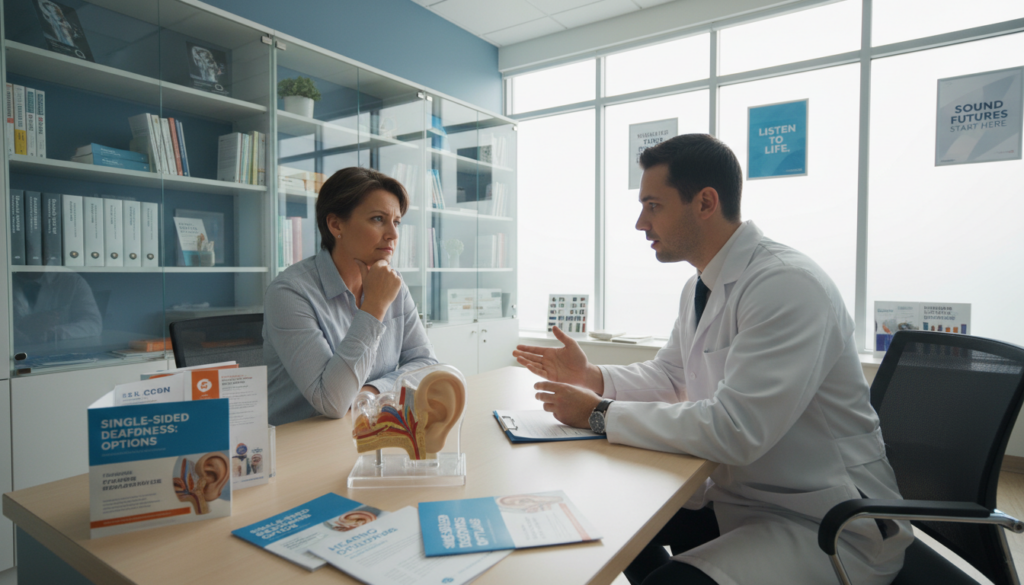
A comprehensive assessment begins by looking at the specific type of hearing loss in each ear. Your clinical expert will examine the underlying cause and determine how long you have lived with the loss of sound. Identifying which daily situations create the greatest communication challenges helps define the most effective solution for your specific case.
Considering Lifestyle and Communication Goals
Lifestyle choices play a major role in this selection. People with busy social lives or demanding workplaces often need different features than those who prefer quiet environments. You might prioritise sound localisation or simply want to restore hearing more clearly in crowds to feel more connected to those around you.
Surgical vs Non-Surgical Options
You must weigh the benefits of permanent, surgical solutions against the convenience of non-invasive devices. CROS systems are excellent for those who want a simple, external device to manage deafness. In contrast, cochlear implants or bone-anchored systems provide more restoration but involve a surgical process and a dedicated recovery time.
Working with Your Audiologist
An experienced audiologist provides the testing and evidence needed to make an informed choice. They offer professional care and help set realistic expectations for your hearing journey. For expert guidance on choosing the right single-sided deafness treatment in Australia, contact [email protected].
Cost and Accessibility Considerations in Australia
Financial factors are important when looking at long-term hearing health and deafness management. In Australia, you should check your eligibility for Medicare rebates or private health insurance to help manage hearing loss. An audiologist can also help you understand how to avoid any financial loss associated with maintenance and device care.
Consulting an audiologist early ensures you receive the best hearing support for your ear health. This collaborative approach makes the transition to a new device much smoother and more successful.
Living Successfully with Single-Sided Deafness
Success in navigating the world with hearing one ear stems from a combination of strategy and support. While clinical treatments help, daily habits significantly improve hearing outcomes for many people. Effective management empowers individuals to participate fully in social and professional life.
Communication Strategies and Tips
Always position your functional ear toward the person speaking. Request that friends or colleagues approach you from your hearing ear side to avoid missed cues.
Proactively informing communication partners about your needs allows them to make simple but helpful adjustments. This transparency reduces the listening effort required during long conversations or group activities.
Optimising Your Hearing Environment
Choosing the right seat in a restaurant can reduce distracting noise. Aim to place your deaf side toward a wall to block unwanted background noise.
At home, using soft furnishings like rugs or curtains can help improve hearing by reducing echoes in the environment. These small modifications ensure that the primary sound remains clear and distinct.
| Setting | Common Challenge | Adjustment Strategy | Expected Result |
|---|---|---|---|
| Restaurants | Background chatter | Sit with deaf side to wall | Better speech clarity |
| Work Meetings | Multiple speakers | Position at table end | Improved visual cues |
| At Home | Hard-surface echoes | Add carpets or rugs | Sharper sound quality |
Maintaining Your Hearing Device
Consistent performance from your hearing aids requires regular care. Clean your hearing aid daily and keep it in a dehumidifying kit to prevent moisture issues.
Timely battery changes or charging ensures you never lose access to clear sound during important moments. Regular professional check-ups help identify technical issues before they affect your daily routine.
Support Resources in Australia
Many Australians manage associated issues like tinnitus through specialised sound therapy. National hearing services and peer groups offer a community for those with hearing one ear.
These networks provide practical advice on coping with tinnitus and accessing government programs for hearing aids. Engaging with these organisations helps individuals stay connected and informed about the latest technological advancements in Australia.
Conclusion
While single-sided deafness presents unique challenges, today’s technological advancements provide effective ways to regain your balance. Modern treatments range from CROS systems to cochlear implants that ensure you never miss a conversation. These solutions help the brain process information from both sides of your environment.
Living with deafness often involves managing symptoms like tinnitus or struggling with sound localisation. A dedicated device picks sounds up from your poorer ear and sends them to the better side. This process helps improve hearing and boosts your confidence in busy social settings.
Choosing the right path for hearing loss requires professional care and a detailed assessment of your lifestyle. Whether you face a permanent hearing loss or a sudden change, early intervention is vital for the best results. Professional support helps you adapt to new technology and protects your long-term wellbeing.
Australians should not accept limited audio when expert help is available on both sides of the country. Start your journey toward better health by addressing single-sided deafness with a personalised plan today.
If you have been hearing one side only, reaching out for a consultation is the best step forward. To find the right fit for your ear, contact [email protected] for specialist deafness support in Australia.