
Choosing the right path for your auditory health is a significant milestone. Millions of Australians navigate the complexities of hearing loss every year. This decision often involves comparing digital vs analog hearing aids to find a perfect match for your lifestyle.
Research indicates that age is a major factor in ear health, with those over 60 being most vulnerable. Men are statistically more likely to experience these changes than women. Various causes, such as infections or inner ear damage, mean that unique needs must be met with precision.
Statistics show that 90% of children born with these conditions have parents with typical sound perception. Expert advice helps users choose the right options for their specific daily environments. Seeking a professional consult at [email protected] provides clarity and ensures your device supports your social confidence.
Key Takeaways
- Compare different device technologies to find your ideal match.
- Recognise that age and gender significantly affect auditory health.
- Consult professionals at [email protected] for expert guidance.
- Identify how your unique daily environment influences your choice.
- Understand that early intervention improves long-term social wellbeing.
Understanding Your Hearing Aid Technology Options
Navigating the diverse hearing aid technology options available today requires a clear understanding of how these devices have evolved over time. The Australian audiology industry has shifted significantly from traditional analog tools to sophisticated digital hearing aids.
This evolution provides users with a broader experience through various levels of sophistication. Modern hearing aids now range from basic sound amplification to advanced processors featuring artificial intelligence and smartphone connectivity.
Professional audiologists program these tools to match individual hearing profiles and specific lifestyle needs. This personalised approach ensures that each hearing aid works effectively in different environments.
Choosing the right type of technology involves assessing your daily activities and communication challenges. Neither technology is universally superior for every individual with hearing loss.
| Factor | Consideration | Outcome |
|---|---|---|
| Environment | Quiet vs. Noisy | Clarity |
| Budget | Price Points | Access |
| Connectivity | Wireless Needs | Ease of Use |
The right choice depends on your budget, comfort with technology, and unique hearing patterns. These aids function as vital aids for restoring connection to the world around you.
Professional assessment forms the foundation of a successful fitting for all aids. For expert help selecting the best digital hearing aids, please reach out via [email protected] for guidance.
What Are Analog Hearing Aids?
Before the digital revolution, analog hearing aids provided the primary solution for individuals managing hearing loss. These traditional devices rely on continuous wave technology to deliver sound to the wearer. While newer technology exists, many Australians still appreciate the specific acoustic profile these units offer.
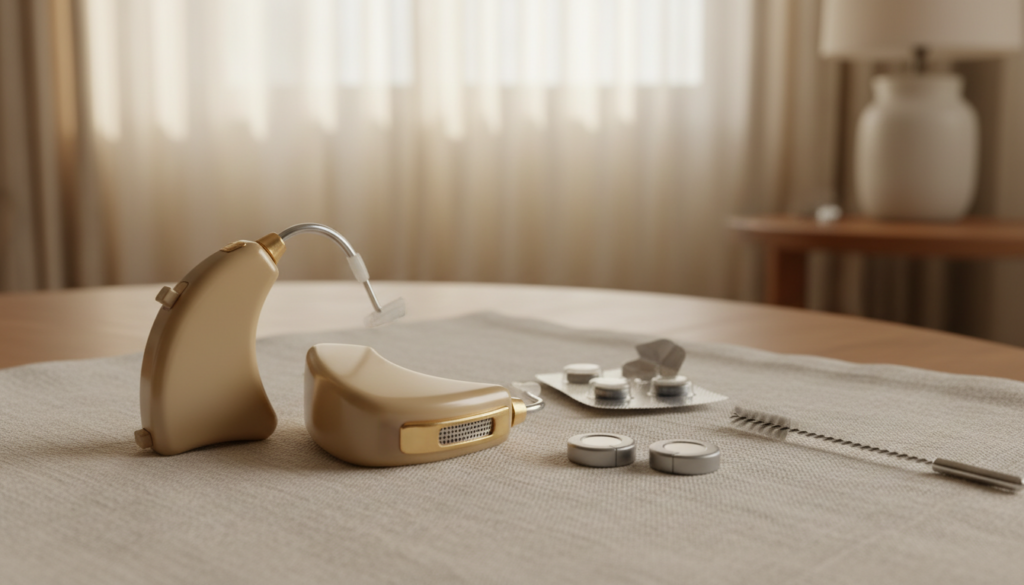
Most analog devices operate through a simple, linear process that mimics the natural flow of acoustic energy. They do not convert waves into binary code but rather keep the signal in its original form. This often results in a warm audio quality that some long-term users prefer over modern alternatives.
“The linear nature of traditional amplification provides a predictable listening experience that remains highly valued for its natural reproduction of music and ambient noise.”
| Feature | Analog Method | User Benefit |
|---|---|---|
| Signal Conversion | Continuous Electrical Wave | Natural Audio Quality |
| Processing Type | Linear Amplification | Consistent Volume Levels |
| Volume Control | Manual Dial or Switch | Direct User Control |
| Response Mode | Uniform Frequency Boost | Simple Audio Profile |
How Traditional Circuitry Processes Sound
The core function of analog hearing involves capturing acoustic waves through a tiny microphone. The device converts these waves into electrical signals that travel through an internal circuit. This process creates a smooth, continuous waveform that matches the original sound‘s shape.
Unlike modern chips that process data in bits, this system uses linear amplification. It increases the volume of all incoming sounds—including speech and traffic—by the same amount. These signals then travel to the receiver and then into the ear canal.
This method allows users to amplify sounds effectively, though it doesn’t filter out background noise easily. Because the device treats every noise equally, the wearer must use their own brain to focus on speech. Many find this approach straightforward and easier to adapt to than complex digital filtering.
Personalisation and Manual Control
Clinicians can still program analog hearing aids to suit a specific audiogram for the wearer. Some models allow for different settings designed for specific environments. For instance, a user might switch between a quiet room mode and a music-listening profile.
These aids often require more manual input from the wearer than digital versions. You might need to adjust the volume dial when moving between calm and noisy locations. This hands-on approach gives the user total control over their immediate acoustic surroundings.
While they lack automated noise reduction, many users enjoy the natural quality of analog hearing. These reliable analog hearing aids remain a predictable choice for users to amplify sounds today. They provide a cost-effective and durable solution for those with straightforward listening needs.
What Are Digital Hearing Aids?
A highly detailed, professional photo of a modern, sleek digital hearing aid sitting on a polished wooden surface, illuminated by natural Australian morning light, showing internal microchip components through a transparent casing, 8k resolution.
In recent years, the shift toward digital hearing technology has provided Australians with great control. These sophisticated devices act as tiny, high-powered computers worn in or behind the ear. They help clarify hearing and reduce unwanted noise effectively.
Digital Signal Processing Technology
Modern digital hearing aids work by converting acoustic sound into numerical data. This specific method is called digital signal processing. Once the hearing aid captures digital signals, a miniature internal computer analyses the incoming frequencies quickly.
It then applies targeted gain to specific frequency bands. This precise processing allows the device to distinguish between a voice and background sound. Unlike older technology, digital signals can be shaped with extreme accuracy for a clearer result.
This ensures the digital hearing experience feels more natural and less distorted. Audiologists can fine-tune these digital hearing settings to match your unique hearing needs. This level of customisation makes digital hearing aids the preferred choice for modern hearing care in Australia.
Advanced Features and Connectivity
The digital sophistication of digital hearing technology extends far beyond simple amplification. Advanced features like directional microphones are important features to consider. These hearing aids often include automatic environment detection, which changes settings instantly.
Connectivity is another major benefit of modern technology. Many digital hearing aids now feature Bluetooth compatibility. This allows for direct streaming from smartphones or televisions across the home.
Through dedicated apps, a user can adjust their hearing aids volume easily. These advanced features ensure that the aid integrates into a connected lifestyle. These features show how a digital device provides more aids for your hearing. High-tech processing makes it all possible.
Digital vs Analog Hearing Aids: Direct Comparison
A direct comparison between analog digital hearing systems reveals how each technology handles common auditory challenges. By looking at these devices side-by-side, we can see how they impact your daily life in Australia. Choosing between analog digital options requires a clear understanding of how they process every sound around you.
Sound Quality and Speech Clarity
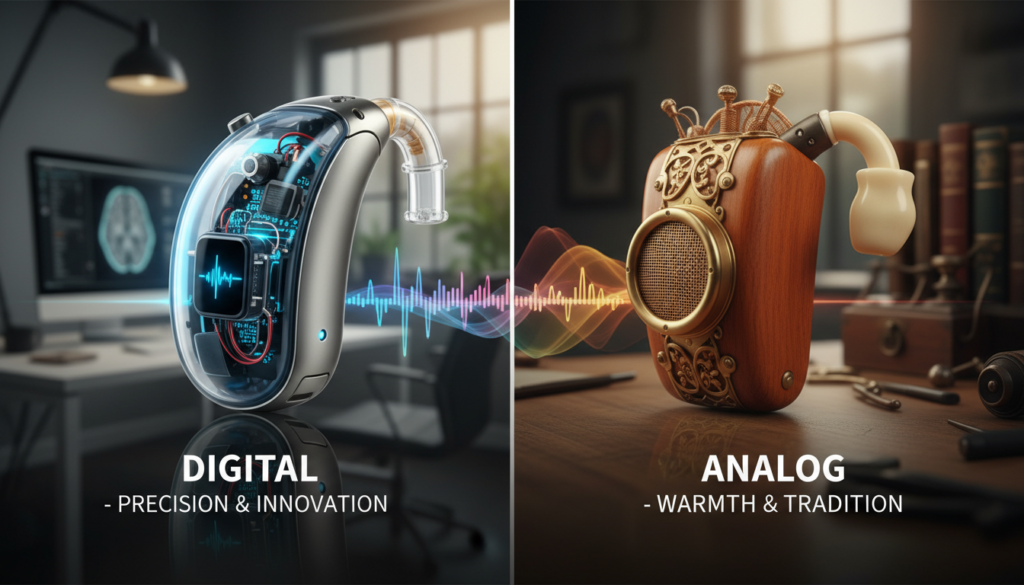
Digital hearing aids use advanced processing to separate speech patterns from background noise. This allows for selective gain, ensuring that voices remain clear even in a busy Melbourne café. The technology identifies the specific frequencies of a person talking and prioritises them over other sounds.
Conversely, many users find the sound quality of an analog hearing aid to be quite warm. It provides a natural feel that many people often prefer for listening to live music or watching television. It amplifies all incoming sounds in a linear fashion without altering the original signal too much.
While analog digital systems both aim to restore your hearing, digital signal processing helps manage feedback much better. This prevents the annoying whistling sounds that some users often experienced with older technology. This makes the overall experience much more comfortable during daily interactions.
Background Noise Reduction
Digital technology excels at background noise reduction by identifying unwanted sounds and suppressing them instantly. This makes speech much easier to follow in noisy environments like train stations or large family gatherings. The internal chip can tell the difference between a passing car and a conversation.
In contrast, an analog hearing device amplifies all sounds at the same level. While this keeps the sound simple, the background noise can become overwhelmingly loud in crowded spaces. This lack of selective reduction means you might struggle to hear the person sitting right across from you.
Because analog digital hearing aids handle noise differently, your personal lifestyle is the biggest factor. Effective reduction of background sounds is usually the primary goal for active individuals who frequent public places. Finding the right balance ensures you stay connected to the world without feeling overwhelmed.
Customisation and Fine-Tuning
Digital devices provide fine-grained frequency shaping through thousands of adjustable bands. This allows an audiologist to match your specific hearing loss pattern with incredible precision. They can adjust individual levels to suit your unique needs perfectly.
Analog units have more limited adjustment options due to linear processing constraints. They often only allow for basic volume or tone changes rather than detailed customisation. This means an analog device might not be ideal for complex hearing loss profiles.
Modern users often prefer digital hearing aids because they can store multiple programs for different environments. This flexibility ensures that the hearing aids perform well whether you are at home or outdoors. Choosing between analog digital technology requires a balanced look at your specific hearing goals.
| Feature | Analog Hearing Aids | Digital Hearing Aids |
|---|---|---|
| Sound Quality | Warm and natural feel | Crisp and processed clarity |
| Noise Reduction | Manual or very limited | Automatic background suppression |
| Customisation | Basic tone adjustments | High-precision frequency bands |
| Price Point | Generally more affordable | Higher cost for more features |
Advantages and Disadvantages of Each Technology
Understanding the trade-offs between modern and traditional hearing systems helps ensure your investment meets your specific hearing needs. Every device offers unique perks that shape your daily experience.
Digital Hearing Aids: Benefits
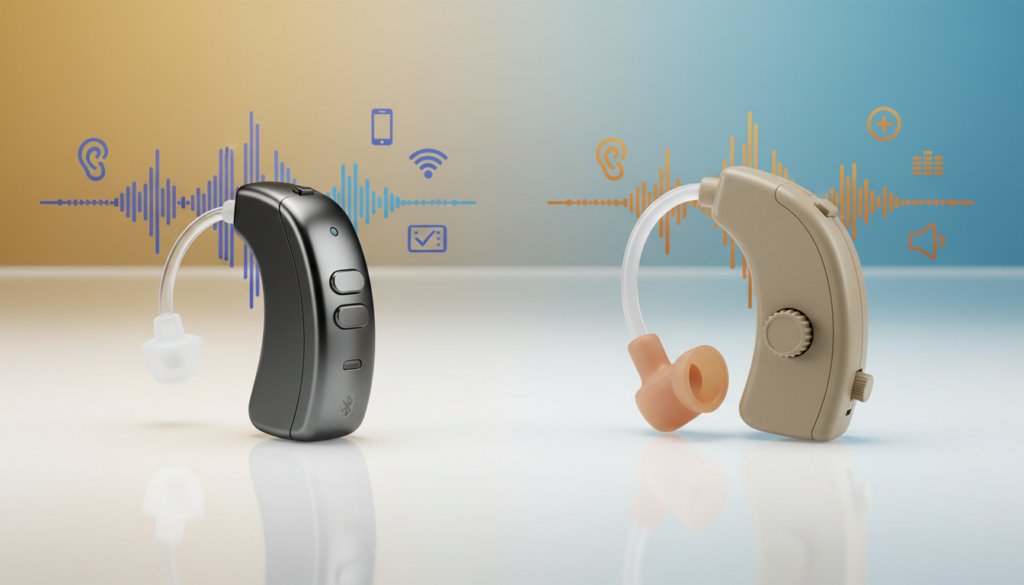
Modern digital hearing aids excel at managing complex sound environments. These hearing aids use adaptive noise reduction to make speech clearer in crowded Australian cafes. Users often appreciate advanced features like feedback control and direct Bluetooth streaming.
Fine-grained frequency shaping allows for precise customisation. This ensures the digital hearing technology matches your unique hearing loss patterns perfectly. Such devices support active lifestyles by adjusting automatically to changing surroundings. This creates a seamless and intuitive listening journey for most individuals.
“The goal of modern technology is not just to make sounds louder, but to make them clearer for the user.”
Digital Hearing Aids: Drawbacks
The complexity of digital hearing devices can lead to a steeper learning curve. Some users find the abundance of advanced features overwhelming at first. High price points for premium tiers may also strain certain budgets. It is essential to decide which features are necessary for your life rather than just desirable. These aids require regular battery changes or charging.
Analog Hearing Aids: Benefits
Analog hearing aids offer straightforward amplification that remains very easy to use. These aids are ideal for users who prefer simple manual controls over smartphone apps. Many listeners appreciate the “warmth” of the natural sound produced by this type of technology.
The experience of analog hearing is often preferred for enjoying live music or playing instruments. Additionally, their lower cost makes quality hearing healthcare more accessible. They provide a reliable solution for those who want a basic, no-fuss approach to sound.
Analog Hearing Aids: Drawbacks
A primary limitation of an analog hearing device is its lack of precision. It offers less effective tuning for a complex hearing profile compared to modern aids. These devices struggle in noisy settings where digital filters usually excel. Furthermore, market availability is decreasing as manufacturers focus on newer products. There are also fewer rechargeable options available in today’s market.
Cost and Availability in Australia
Navigating the costs of hearing healthcare in Australia can seem complex due to the variety of technology and service levels available. It is important to remember that the price often includes professional fitting fees and follow-up adjustment appointments. These services ensure your hearing aid works correctly for your specific environment over time.
When comparing costs, consumers should look beyond hardware prices to consider warranty terms and ongoing support. The total cost of ownership reflects the value of the professional care you receive. Investing in high-quality devices and expert fitting leads to better long-term satisfaction for most hearing aid users.
Digital Hearing Aid Price Ranges
Digital hearing aid prices in Australia span from entry-level to premium tiers. Entry-level digital devices offer essential features at more affordable points for users with simple needs. Premium models incorporate advanced processing and artificial intelligence, which naturally command higher prices.
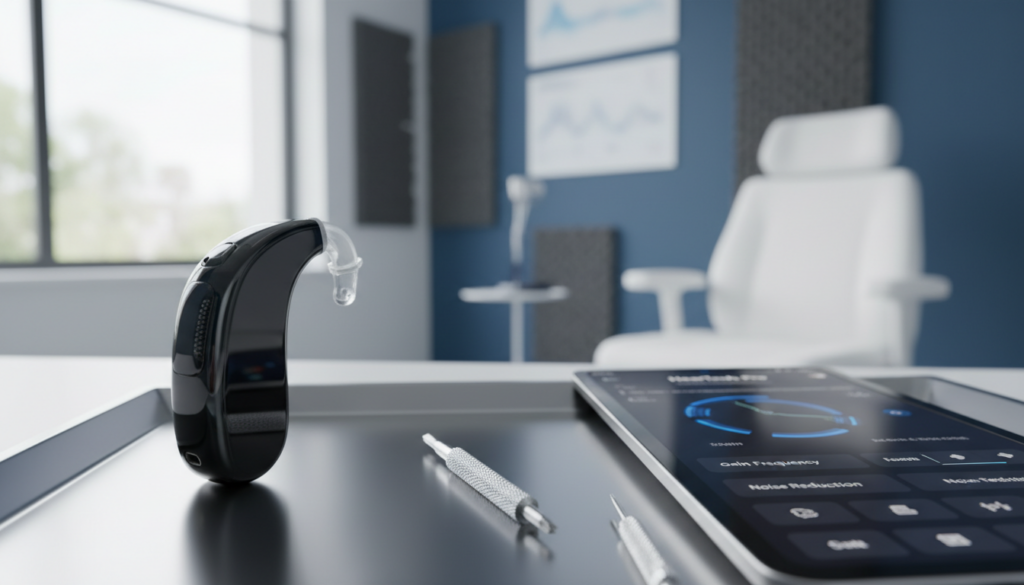
For professional advice on digital options and pricing in Australia, contact [email protected]. Choosing the right type hearing aid depends on your lifestyle and how much noise handling you require. You should evaluate which type hearing options justify higher costs and which premium features may be unnecessary for your aids.
Analog Hearing Aid Availability and Pricing
While an analog hearing aid might seem cheaper initially, finding these devices in Australian clinics has become harder. The industry has shifted significantly toward digital technology, meaning selection is now quite limited. Users should also consider the difficulty of sourcing replacement parts if the analog equipment fails.
Even if the initial aid price is lower, the long-term value might decrease due to limited customisation. Understanding every type hearing and technology available helps you make a better financial decision. Comparing service packages rather than just price ensures better outcomes for all hearing aids.
| Factor | Digital Technology | Analog Technology |
|---|---|---|
| Estimated Price (AUD) | $1,500 – $6,000+ | $500 – $1,500 |
| Market Availability | Widely Available | Very Limited |
| Primary Benefit | Clearer sound in noise | Simple amplification |
| Suitability | Active Lifestyles | Quiet Environments |
Making the Right Choice for Your Hearing Needs
Deciding on a specific hearing solution starts with understanding your unique lifestyle and communication hurdles. You should focus on your daily obstacles rather than just comparing the gadgetry.
Ask yourself where you struggle most—is it in office meetings or during quiet family dinners? Identifying these pain points ensures you select a device that provides the most benefit.
Evaluating Your Daily Listening Environments
Start by identifying the specific situations where communication becomes a chore. Some people find quiet one-on-one chats easy but struggle in crowded restaurants or during school lectures.
Systematically assessing these listening environments helps narrow down your search. If you often navigate noisy environments, you need technology that separates speech from background noise.
Documenting these moments helps your specialist provide a better patient experience. Whether you are in a quiet park or a café, your ear deserves clarity.
Consider how different listening environments and noisy environments affect your daily life. Every individual interacts differently with their surrounding acoustic environments.
Matching Technology to Your Lifestyle
Digital hearing aids suit frequent users who move between diverse settings throughout the day. They offer automated adjustments for the user and include wireless connectivity for phone calls.
If your daily routine is consistent and you prefer simple controls, analog aids might suffice. These devices provide a natural sound for music lovers who are working within a budget.
Choosing between these hearing aids depends largely on your personal activity level. Active individuals benefit from the advanced signal processing found in modern hearing aids to address their needs.
Professional Assessment and Trial Periods
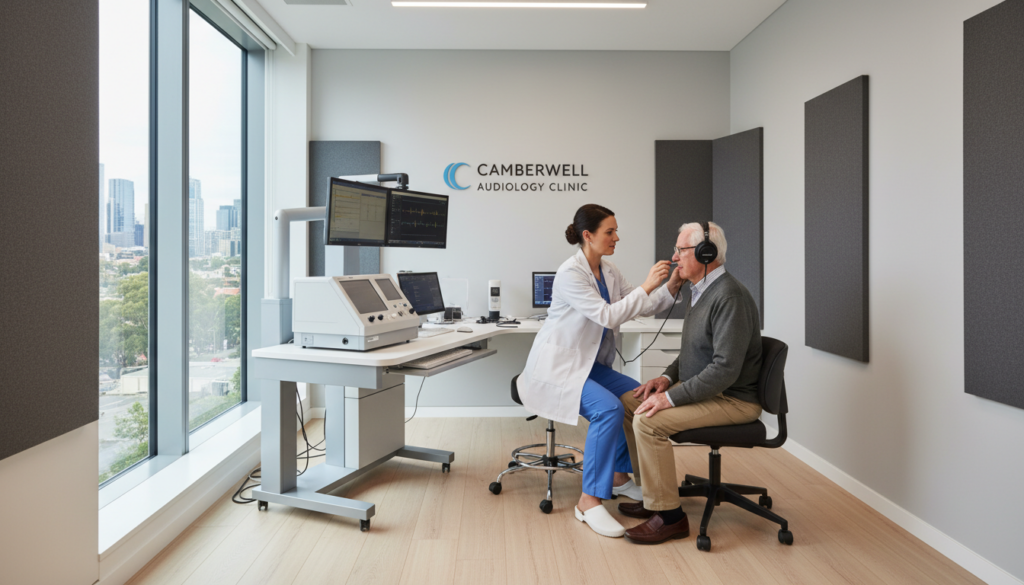
A professional hearing test Camberwell Australia is the vital first step toward recovery. This evaluation maps your hearing loss across different frequencies to help improve hearing.
Trial periods allow you to test at least two aids during real-world tasks. Wear these aids at work to see how they manage a degree of loss.
Adaptation time typically takes between one to three months for most people. For expert guidance to support your hearing needs, contact [email protected].
These assessments help ensure you find a fit for your specific hearing requirements. Addressing hearing loss restores your hearing and ear health while managing the frustration of loss.
Professional guidance ensures your hearing is protected. We are committed to finding a solution that meets your hearing needs.
Conclusion
Finding the right solution involves balancing advanced digital features with the straightforward performance of analog aids. Both options offer distinct benefits depending on your specific loss and lifestyle needs. While modern devices provide superior noise reduction, simpler technology remains a reliable choice for many users.
Successful hearing outcomes require a professional assessment and a trial period to test hearing aids in the real world. Your ear deserves a personalised fit that enhances your daily experience. Investing in quality aids truly transforms your communication confidence and social life.
For personalised hearing aids recommendations and professional hearing assessment in Australia, contact [email protected]. Our experts help you find the technology best suited to your individual requirements.
| Factor | Guidance for Selection |
|---|---|
| Technology Preference | Compare digital customisation against analog simplicity. |
| Lifestyle Context | Match device features to your daily acoustic environments. |
| Final Step | Schedule a professional evaluation and hands-on trial. |