
Imagine waking up to a muffled world or a sharp ring in one ear. This rapid drop in your ability to perceive sound is known as sudden hearing loss. While many people think it might just be wax, it is often a serious medical sign.
Statistically, this condition affects thousands of individuals across Australia and the globe every year. Many ignore the symptoms, hoping the deafness will fade naturally over time. However, this delay can lead to permanent damage in the inner ear if you do not seek help immediately.
Treating this situation as a medical emergency is vital for a full recovery. If you need professional information, please email [email protected] for a consultation. Acting fast can save your auditory health and prevent long-term hearing loss.
This guide explores why prompt action is necessary for your wellbeing. It helps you navigate the symptoms and find the right clinical support. You are not alone in this journey, and expert advice is always available to help you recover.
Key Takeaways
- Sudden sensorineural changes require urgent medical attention within hours.
- Most cases happen rapidly over a few days or even instantly.
- Delaying a formal diagnosis can make medical treatments less effective.
- The condition is a clinical priority rather than a minor inconvenience.
- Professional evaluation is the only way to prevent permanent damage.
- Early intervention significantly improves the chances of full recovery.
Understanding Sudden Hearing Loss
Sudden sensorineural hearing loss involves a rapid drop in auditory perception that often occurs without any prior warning signs. This condition is an unexplained loss of hearing that happens either all at once or over a few days. Many individuals notice a sudden hearing change immediately after waking up.
What Is Sudden Sensorineural Hearing Loss?
Sudden sensorineural hearing loss, or sudden deafness, happens when the inner ear sensory organs sustain damage. This medical issue involves the sensorineural hearing nerve pathway failing to send signals to the brain. Most people discover this hearing loss when they try to use a phone on the affected ear.
Because it usually affects only one ear, the sensation can be quite disorienting for the patient. It is vital to recognize that this is a problem with the sensorineural hearing system rather than a blockage. Seeking help quickly is the best way to protect your hearing.
How Sudden Deafness Differs From Gradual Hearing Loss
This condition is very different from common types of hearing decline. While a typical loss happens slowly over many years, this hearing loss is nearly instant. Sensorineural hearing damage is usually permanent if it is not treated by a doctor right away.
A quick loss of sound should never be ignored as a simple cold. Unlike age-related issues, this event requires an urgent medical response to save the inner ear function. Prompt treatment can often reverse some of the damage before it becomes a lasting loss.
Prevalence and Statistics in Australia
In Australia, experts find sudden sensorineural cases in approximately 1 to 6 people per 5,000 every year. However, many people do not seek help for their hearing loss, so the actual numbers may be higher. It most often affects adults in their late 40s and early 50s.
Sudden sensorineural deafness can strike at any age, regardless of previous health history. Statistics show that identifying the problem early leads to much better recovery outcomes. Understanding these patterns helps Australians take a hearing loss event more seriously.
| Comparison Feature | Sudden Sensorineural Loss | Gradual Hearing Loss |
|---|---|---|
| Speed of Onset | Instant to 72 hours | Progressive over years |
| Primary Location | Inner ear or nerve | Middle or inner ear |
| Medical Urgency | Emergency situation | Chronic management |
| Usual Presentation | Affects one ear | Affects both ears |
Is Sudden Hearing Loss a Medical Emergency?
When your hearing suddenly fades or disappears, you are facing a genuine medical emergency that demands fast action. You should treat any sudden hearing loss as a serious health event that requires an immediate professional evaluation.
Why Time Is Critical for Recovery
The speed at which you receive medical help determines your future auditory health. Every day you wait increases the risk of permanent hearing loss.
While some people recover naturally, others require urgent intervention to save their hearing. Waiting even a few hours can make a significant difference in the final outcome.
The 10 to 14-Day Treatment Window
Medical doctors generally agree that there is a critical 10 to 14-day window for starting treatment. After this period, the loss of function is much more likely to become permanent.

When to Go to Your Local Emergency Department
If you wake up and notice your hearing is gone, or if it disappears over a few minutes, go to your local emergency department. Do not wait for a routine appointment next week.
Prompt action is the only way to mitigate the loss of sound. Seeking help immediately ensures you receive the necessary tests while intervention is still effective.
Common Misconceptions That Delay Treatment
Many people mistakenly believe their ear is simply blocked by wax or a common cold. This assumption leads to a dangerous delay in addressing sudden hearing loss.
Never assume your auditory function will return on its own. Delaying care for this specific hearing loss can lead to a permanent loss of communication abilities.
To ensure you regain your hearing, you must treat any unexplained hearing loss as a priority. Early recognition is your best defence against permanent damage.
Sudden Hearing Loss Causes
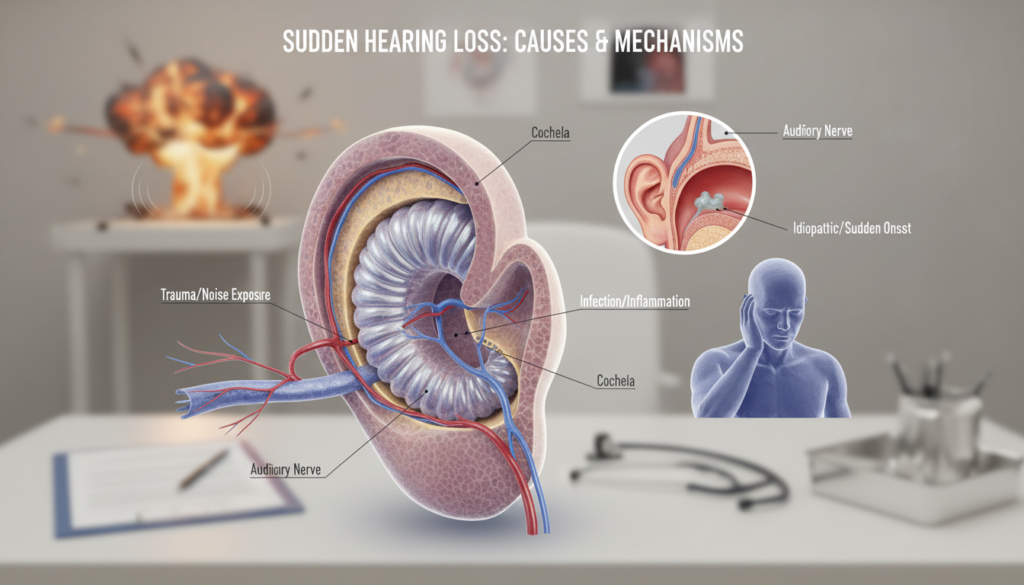
While the experience is alarming, identifying the specific sudden hearing loss causes is only possible in a small number of cases. Doctors find a clear infection or trigger in only about 10% of patients. Most instances remain idiopathic, meaning the exact cause of the condition stays unknown.
Viral Infections and Immune System Malfunctions
Many experts believe a viral infection is a leading cause. These viruses trigger an inflammatory response that damages the delicate structures of the inner ear. This condition might also stem from a sudden failure where the immune system attacks healthy cells.
Blood Circulation Problems to the Inner Ear
The ear requires a constant supply of oxygen-rich blood to function correctly. If a blockage stops flow to the inner ear, the hearing cells can die within minutes. This lack of nutrients leads to immediate and often permanent hearing deterioration.
Head Trauma and Physical Injury
A severe head injury can physically damage the delicate auditory system. This injury might affect the skull or the tiny bones located in the middle ear. Some people experience hearing loss immediately, while others notice a decline several hours later.
Ototoxic Medications
Certain powerful drugs can damage the hearing nerve or the cochlea. These include specific medicines used to treat cancer or very severe bacterial infections. Patients should always monitor their hearing when starting aggressive new treatments.
Neurological Disorders Including Stroke and Multiple Sclerosis
Problems in the brain can also disrupt how we process everyday sounds. A stroke or a disease like multiple sclerosis can interfere with the auditory pathways. Doctors call this central hearing loss because the brain cannot interpret the signals it receives.
Inner Ear Disorders Such as Ménière’s Disease
Specific conditions like Ménière’s disease often cause fluctuating hearing levels. These episodes usually come with intense vertigo and a persistent ringing sound. The pressure changes within the ear contribute to the sudden drop in auditory clarity.
Autoimmune Diseases
In some cases, the body mistakenly attacks its own healthy ear tissues. This disease can target the ear specifically, potentially affecting one or both sides. Prompt medical help remains essential regardless of the suspected causes.
| Category | Primary Mechanism | Common Triggers |
|---|---|---|
| Infectious | Nerve inflammation | Flu or Herpes viruses |
| Circulatory | Oxygen deprivation | Blood clots or spasms |
| Traumatic | Structural damage | Fractures or loud noise |
Recognizing the Symptoms of Sudden Hearing Loss
Identifying the early indicators of this condition is vital for a positive recovery outcome. Many Australians only realise something is wrong when they try to answer a phone call or wake up to silence. Recognising these specific symptoms early ensures you can seek prompt clinical intervention.
Primary Warning Signs to Watch For
The onset of sudden deafness often occurs in one ear rather than both. You might hear an alarming “pop” sound just before your hearing disappears entirely. In some cases, the loss is not immediate but feels like air slowly leaking from a tyre.
This gradual decline can take place over several minutes or even a few hours. If you find yourself tilting your head to hear better on one side, do not ignore it. These changes often indicate a medical emergency that requires an urgent specialist review.
Associated Symptoms: Tinnitus, Dizziness, and Ear Fullness
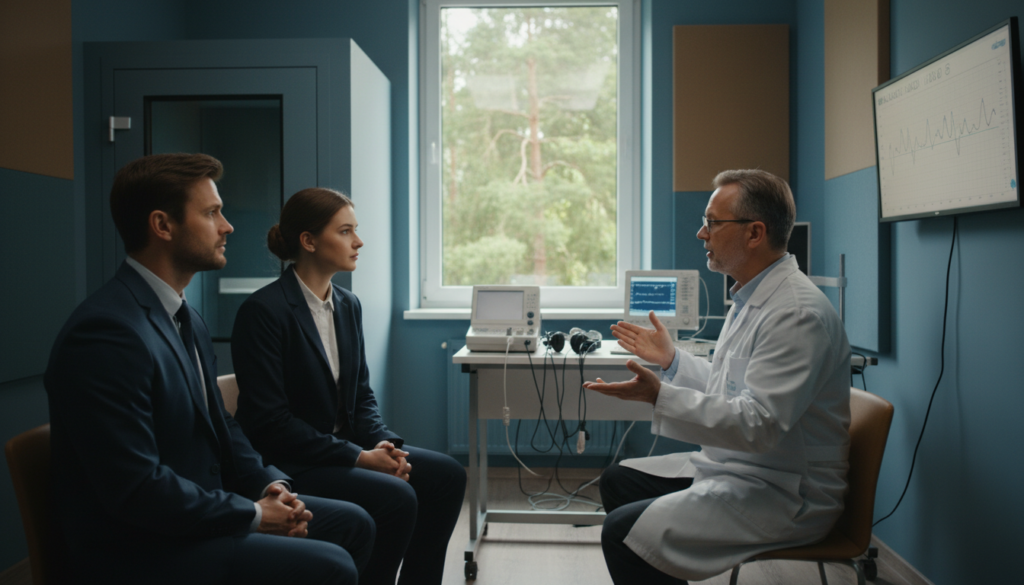
Beyond the loss of sound, you may feel like your ear is clogged or under intense pressure. Tinnitus, or a persistent ringing in the ears, frequently accompanies the initial loss of hearing. This can be distracting and may fluctuate in intensity during the first few hours.
Because the inner ear controls your sense of balance, you might also experience dizziness or vertigo. This often leads to an increased risk of falls or a feeling of lightheadedness. These physical sensations are significant clues that the inner ear or auditory nerve is affected.
The Humming Self-Test for Sudden Hearing Loss
You can perform a simple humming test at home to help assess your hearing loss. Hum aloud to yourself and pay close attention to where the vibration feels loudest. With normal hearing, the sound should be equal in both ears.
If the humming is louder in the affected ear, the issue is likely a blockage, such as wax. However, if the sound is louder in the unaffected ear, it suggests sensorineural damage. This result indicates that you need to see a doctor immediately for a professional assessment.
Distinguishing Between Conductive and Sensorineural Loss
Understanding the difference between these types of loss is vital for emergency care. Conductive issues usually involve the outer or middle ear and can often be fixed easily. Sensorineural loss, however, involves the inner ear or the auditory nerve itself.
Prompt medical attention is necessary if you suspect nerve issues, as the treatment window is very short. Use the table below to help identify which signs you may be experiencing and their potential implications.
| Symptom Type | Common Presentation | Potential Implication |
|---|---|---|
| Aural Pressure | Feeling that the ear is clogged or full | Could indicate fluid or nerve pressure |
| Auditory Alert | A sudden “pop” followed by loss | Common sign of sensorineural emergency |
| Vestibular Change | Vertigo or loss of balance | Involvement of the inner ear system |
| Unilateral Change | Reduced sound in only one ear | Key indicator of sudden sensorineural loss |
How Sudden Hearing Loss Is Diagnosed
Effective recovery from a sudden shift in your hearing starts with a precise and urgent medical evaluation. Specialists follow a structured path to find the cause and begin the right therapy.
Initial Medical Examination and History
Your doctor first checks the ear canal for physical obstructions. They look for fluid or wax in the middle ear to see if you have conductive hearing loss.
This check helps identify if the problem is related to conductive hearing issues. This simple physical test helps rule out basic mechanical problems before moving to more complex checks.
Pure Tone Audiometry: The Gold Standard Test
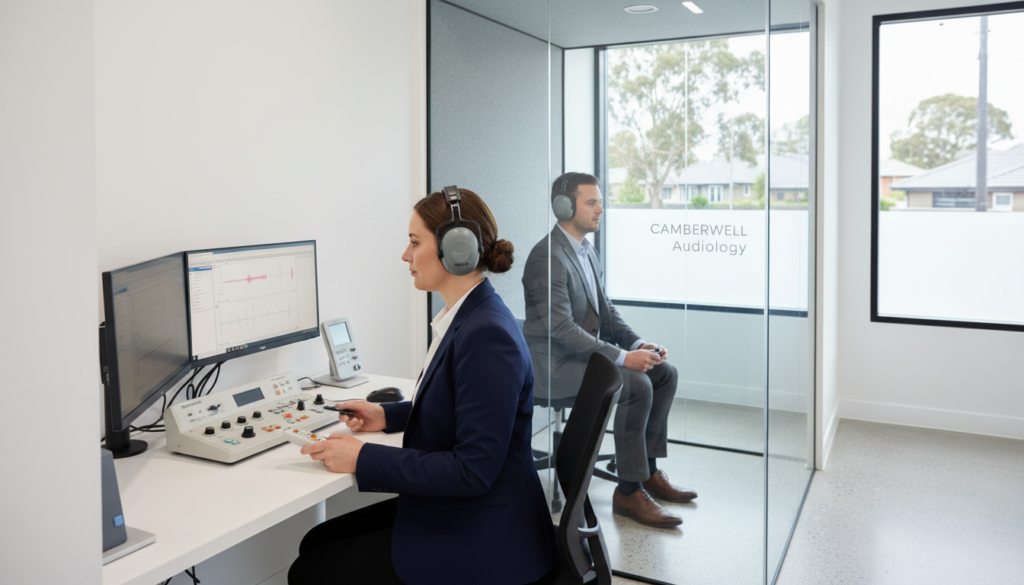
If the cause is not visible, you will undergo pure tone audiometry. This assesses how you hear various sound pitches. A diagnosis often follows a loss of 30 decibels across three frequencies.
This level of hearing loss makes a normal conversation seem as quiet as a whisper. Completing this hearing check within 72 hours of symptom onset is vital for the best results.
Additional Diagnostic Procedures
If a sensorineural hearing loss is found, more steps help find the trigger. Identifying the root problem is essential for a complete diagnosis and to determine if the loss is permanent.
Blood Tests and Laboratory Work
A doctor may order a blood test to look for infections. These results show if your hearing is affected by an immune system response or other medical conditions.
MRI and Imaging Studies
Magnetic resonance imaging allows experts to see the inner ear. It helps rule out structural problems or restricted blood circulation that might cause the sudden change.
Balance Testing
Because the inner ear manages stability, balance checks are common. These assess if the ear damage has affected your coordination or if the ear has suffered extensive trauma.
This final step determines the full extent of the hearing loss. It ensures that every part of your auditory health is managed properly during your recovery journey.
Treatment Options for Sudden Hearing Loss

Managing sudden deafness requires swift action and a clear understanding of modern therapies used by medical professionals. Health experts emphasise that starting a clinical treatment as soon as possible offers the best chance for recovery. This is especially true if you notice a drop in sound in one ear.
Clinicians often suggest starting therapy even before every test result arrives. This urgency helps protect your long-term health by preventing permanent damage to the sensitive nerves. Rapid intervention is the primary goal for any specialist in Melbourne.
Corticosteroid Therapy: First-Line Treatment
Steroids are the primary treatment doctors manage for this condition, especially when the cause is unknown. They work by reducing inflammation and decreasing swelling within the delicate inner ear structures.
Oral Corticosteroids
Doctors usually prescribe a high dose of oral steroids for 14 days. After this initial period, the dose tapers off over a final week to ensure the body adjusts safely. This method is common for those who can tolerate systemic medication.
Intratympanic Steroid Injections
For those who cannot take pills, medication is injected directly through the eardrum. This method delivers the drug into the middle ear, where it eventually flows into the inner ear. This direct approach often minimises systemic side effects like high blood pressure.
Specialists typically perform these outpatient treatment sessions twice a week for two weeks. Because the needle passes through the eardrum, the area is usually numbed first to ensure patient comfort.
Treating Identified Underlying Causes
If a bacterial infection is the culprit, your doctor will prescribe specific antibiotics to resolve the issue. Correcting the source of the problem is vital for protecting your overall ear health and preventing a recurrence.
Long-Term Management With Hearing Aids and Cochlear Implants
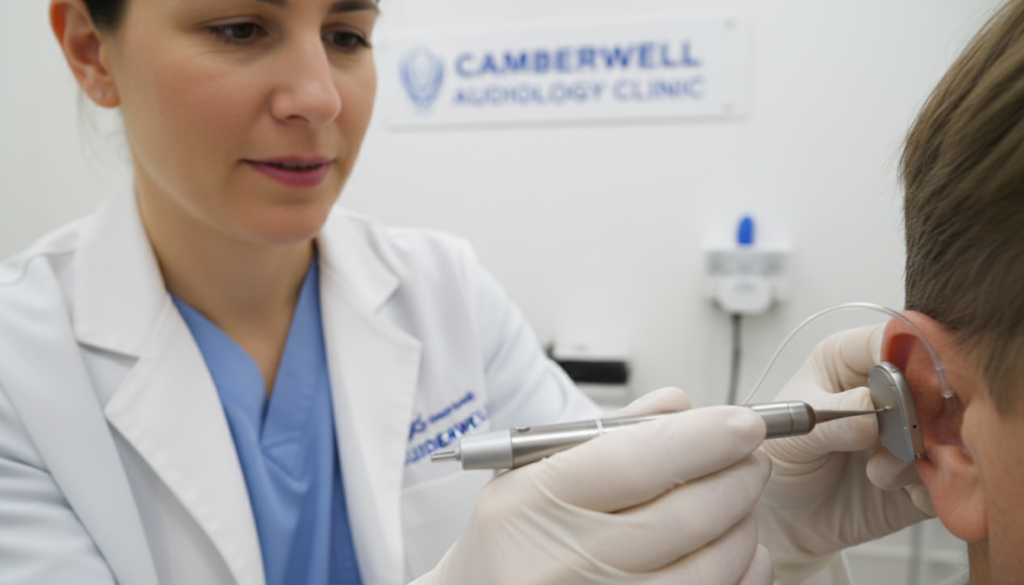
In many cases, permanent hearing loss may remain in one ear despite medical efforts. Modern hearing aids can then be used to amplify sound and improve daily communication. If the damage is severe, your specialist might suggest a cochlear implant instead.
These aids help patients regain a sense of spatial awareness in their daily lives. When hearing aids are no longer enough, implants directly stimulate the auditory nerve to bypass damaged areas of the ear.
Expected Recovery Rates and Outcomes
While many mild cases of hearing loss improve naturally, only 20% of severe patients make a full recovery. Prompt treatment remains the most important factor in improving these clinical statistics. Regular monitoring of your ear function is essential during the recovery phase.
Prevention Strategies and Risk Factor Management
Hearing loss isn’t always avoidable, but some types can be prevented by adopting healthy habits. We can take active steps to look after our auditory systems to reduce the overall risk of sudden changes. Focusing on your daily habits can protect against a hearing injury or permanent loss.
Protecting Your Ears From Loud Noise Exposure
Protect your ears from loud sounds by using earmuffs or earplugs. This is vital in noisy workplaces or at music concerts. Limit the amount of time you spend in loud environments like clubs or gyms to prevent a sudden loss.
Managing Chronic Health Conditions
Look after your health by managing chronic issues like high blood pressure. These can affect blood flow to the inner ear. If an autoimmune condition or disease causes your immune system to attack the ear, follow your medical plan closely to reduce risk.

Medication Awareness and Safe Use
Certain drugs may cause permanent damage to your hearing. Always talk to your doctors about the potential side effects of new treatments. Accessing the right information helps you make safer choices for your auditory health.
Regular Hearing Assessments and Monitoring
While routine checks aren’t always recommended, having a hearing test is a good idea if you notice a loss. Regular assessments provide valuable information if you have a family history of auditory problems. Protecting your hearing is important to prevent hearing loss in the future.
Lifestyle Modifications for Ear Health
Quit smoking to improve your cardiovascular health and protect your inner ear. Follow workplace safety protocols to prevent long-term damage to both ears. Managing these factors helps ensure you maintain your hearing and prevents hearing loss for years to come.
Conclusion
Acting within the first few hours of experiencing a hearing change is the best way to safeguard your future auditory wellness. Sudden hearing loss is a medical emergency that demands fast action from every patient. If you notice a change in one ear, seek help immediately to address the sensorineural hearing loss and protect the delicate nerve.
Many people ignore strange sounds or muffled tones, but these often signal serious conditions. Whether the cause involves a viral disease or physical injury, ear health remains vital for your quality of life. While only 20% of severe cases recover fully, prompt treatment offers the best chance for hearing restoration for people facing this disease.
Managing health through regular checks prevents permanent hearing loss in the long run. Some types of sensorineural hearing damage might require hearing aids to restore daily function. This loss can also impact your balance and how your brain processes audio on that specific side.
Protecting your hearing ensures you stay connected to your community. For more information or a professional consultation, contact [email protected] for expert care. Please treat any sudden hearing change as a priority to keep both ears healthy and obtain the information needed to avoid deafness or permanent loss.
| Feature | Key Takeaway |
|---|---|
| Response Time | Immediate (within 24-72 hours) |
| Typical Presentation | Sudden reduction in one ear |
| Standard Treatment | Corticosteroids (oral or injected) |
| Full Recovery Rate | Approximately 20% in severe cases |